ISO 9001:2015 Registered with DesignMANY ITEMS IN STOCK - CONTACT US FOR AVAILABILITY1-855-800-9568

About Team ELT

This author has not yet filled in any details.
So far Team ELT has created 47 blog entries.

Sling Angle Calculations: How to Determine Safe Lifting Loads

By |2026-09-30T10:48:25-04:00June 16th, 2026|Slings|

Sling Angle Calculations: How to Determine Safe Lifting Loads When planning an overhead lift, the load's weight is only half the equation. The sling attachment angle is equally important in determining whether a lift can be performed safely. A small decrease in sling angle can significantly increase the tension on each sling leg, enough to

OSHA Man Basket Requirements: Crane Personnel Platform Compliance

By |2026-09-30T10:08:39-04:00May 30th, 2026|Crane Basket|

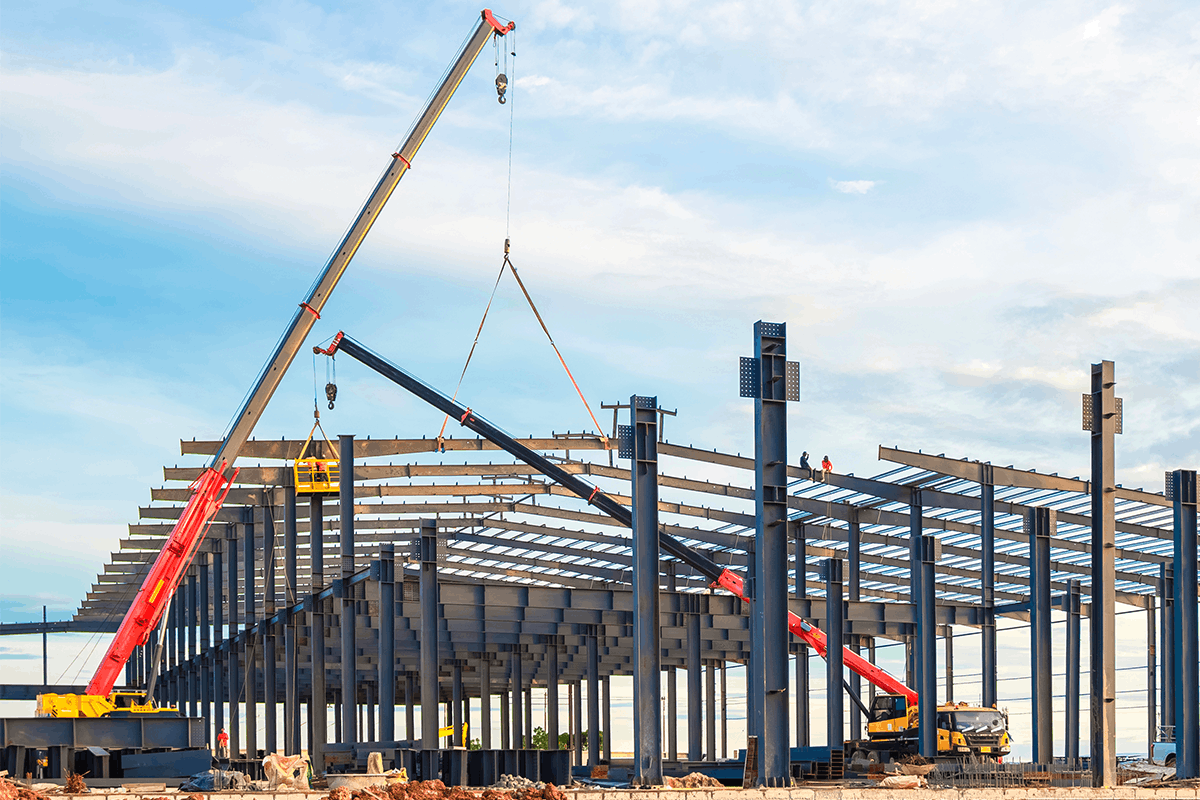
OSHA Man Basket Requirements: Crane Personnel Platform Compliance Personnel hoisting is among the most closely regulated lifting operations under OSHA standards, and for good reason. Unlike material lifting, hoisting workers poses significantly greater risks and requires additional planning, inspections, and engineered equipment. Whether you're performing maintenance, steel erection, bridge work, or industrial construction, understanding OSHA's

How to Choose the Right Spreader Bar for a Lift

By |2026-08-26T08:48:51-04:00April 22nd, 2026|Beams|

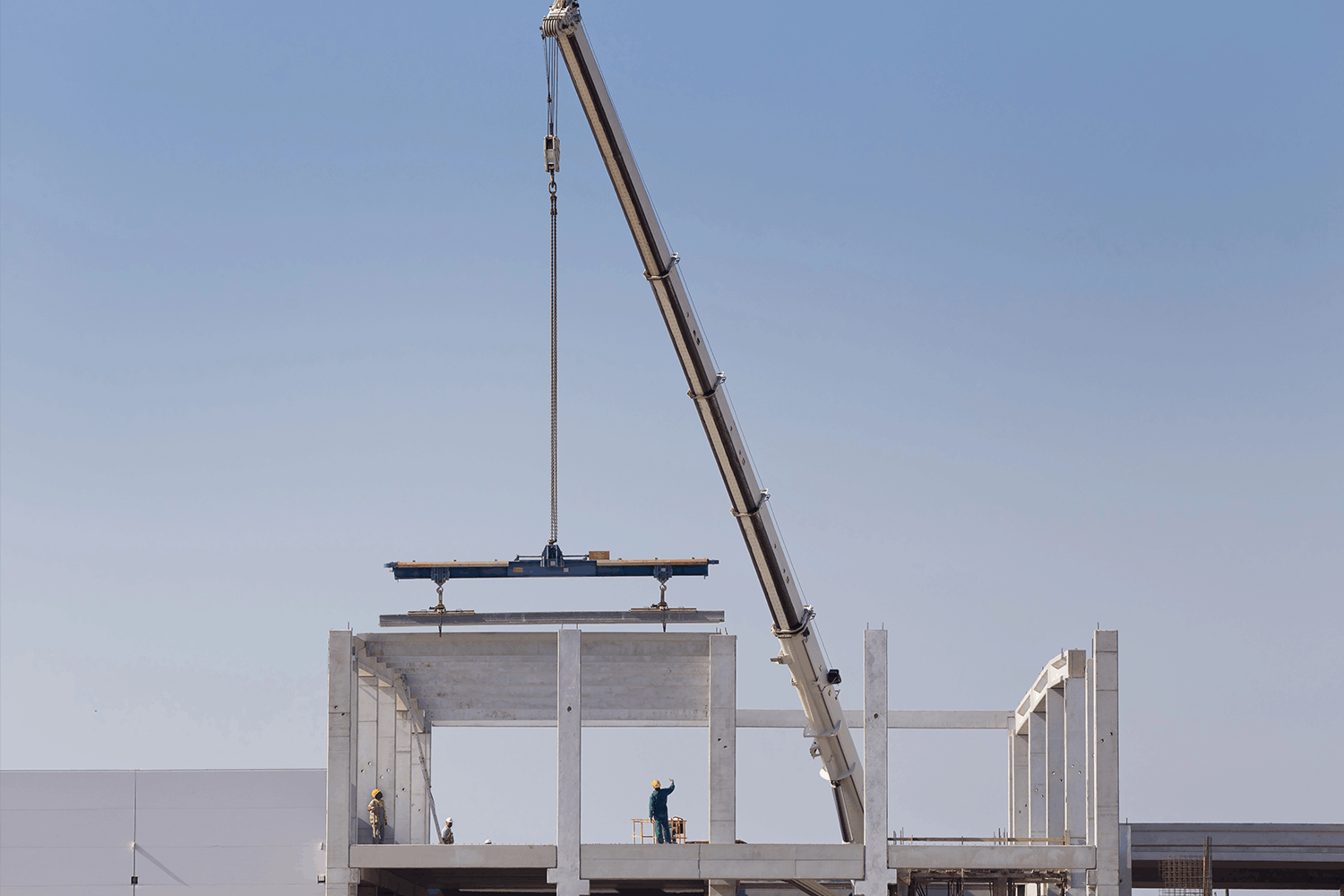
How to Choose the Right Spreader Bar for a Lift Spreader bars play a critical role in modern rigging operations, where load control, sling angle management, and structural stability are essential. In industrial lifting environments, selecting the wrong spreader bar can introduce unnecessary compressive forces, uneven loading, poor rigging geometry, and increased risk to both

Rigging Inspection and Maintenance: Requirements, Procedures, and Best Practices

By |2026-08-26T08:56:08-04:00March 26th, 2026|OSHA & Inspections|

Rigging Inspection and Maintenance: Requirements, Procedures, and Best Practices Rigging equipment reliability depends on its condition. Even properly rated parts can fail if worn, damaged, or poorly maintained. For lifting operations, inspection is not optional—it's essential for safety and compliance. This resource details the inspection requirements, methods, and maintenance practices that professionals rely on to

Understanding Working Load Limit and Breaking Strength in Rigging and Lifting Equipment

By |2026-04-19T18:40:26-04:00February 15th, 2026|Beams, lifting equipment|

Understanding Working Load Limit and Breaking Strength in Rigging and Lifting Equipment When selecting lifting and rigging equipment, two important terms are Working Load Limit (WLL) and Breaking Strength. These values are not interchangeable, and confusing them is one of the main causes of equipment failure on site. Whether you're lifting steel beams, precast concrete,

Proof Load Testing & OSHA: Requirements, Standards, and Compliance Tips

By |2026-04-19T18:49:27-04:00January 19th, 2026|lifting equipment|

Proof Load Testing & OSHA: Requirements, Standards, and Compliance Tips In lifting and rigging operations, equipment failure is not just costly — it can be catastrophic. Every hook, beam, clamp, and crane component must perform exactly as designed. That’s why proof load testing exists. It provides measurable verification that lifting equipment can safely withstand forces

Advantages of Using a Forklift Boom

By |2026-02-04T15:18:55-05:00December 18th, 2025|Forklifts|

Advantages of Using a Forklift Boom Forklift booms are among the most versatile lifting attachments available today. When properly selected and used, they enable standard forklifts to perform tasks typically reserved for cranes, hoists, or telehandlers. From extended reach to cost savings and improved safety, forklift boom attachments deliver measurable advantages across construction, manufacturing, warehousing,

Professional Guide to Wire Rope Selection

By |2026-02-04T15:22:45-05:00November 12th, 2025|Wire Rope Slings|

Professional Guide to Wire Rope Selection Wire rope is one of the most critical components in modern lifting and rigging systems. It is a highly engineered product designed to transmit load, resist fatigue, control rotation, and perform reliably under demanding conditions. Selecting the correct wire rope and using it correctly requires more than matching diameter

Coil Handling Equipment: Tools That Enhance Safety and Productivity

By |2026-02-04T15:22:40-05:00October 4th, 2025|lifting equipment|

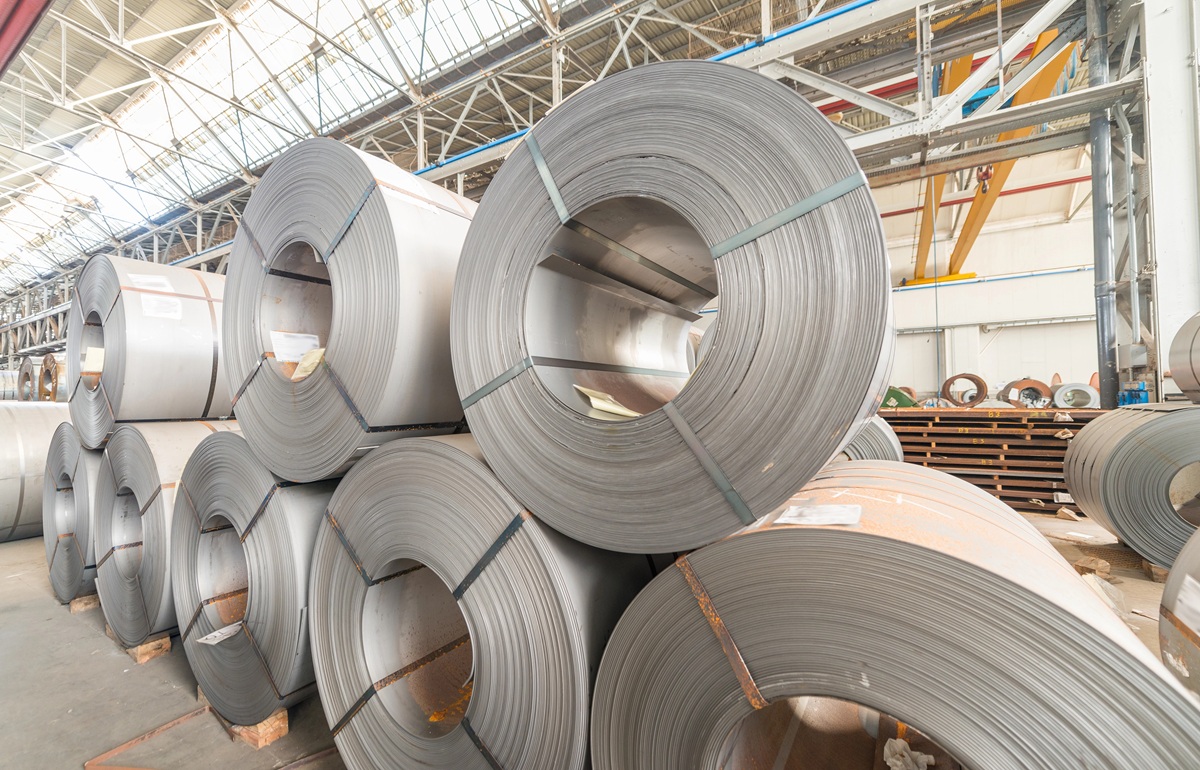
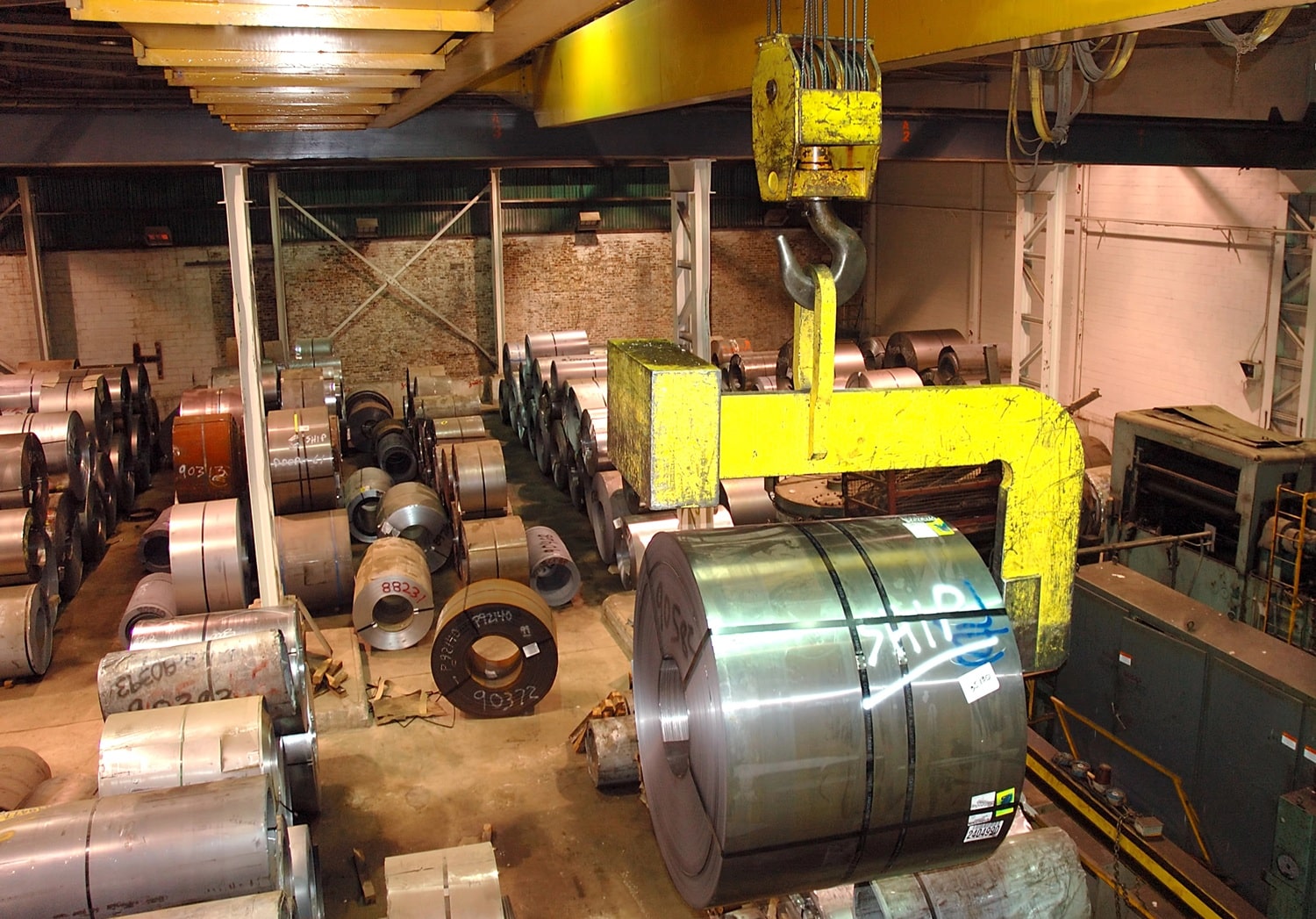
Coil Handling Equipment: Tools That Enhance Safety and Productivity Handling coils is a vital task in industries that process and move materials such as steel, aluminum, copper, and other specialized materials throughout a facility. Coils are dense, heavy, and often tricky to maneuver, which can put workers at risk and slow production if improper equipment

What Is a Below-the-Hook Lifting Device? A Complete Guide to Safe and Efficient Lifting

By |2025-11-05T23:15:54-05:00August 5th, 2025|lifting equipment|

What Is a Below-the-Hook Lifting Device? A Complete Guide to Safe and Efficient Lifting In material handling and lifting operations, below-the-hook (BTH) devices are the unsung heroes that enable difficult and dangerous lifts. These tools attach between a crane or hoist and the load, providing stability, balance, and secure attachment. Whether lifting steel plates, glass

Go to Top