
Rigging Inspection and Maintenance: Requirements, Procedures, and Best Practices
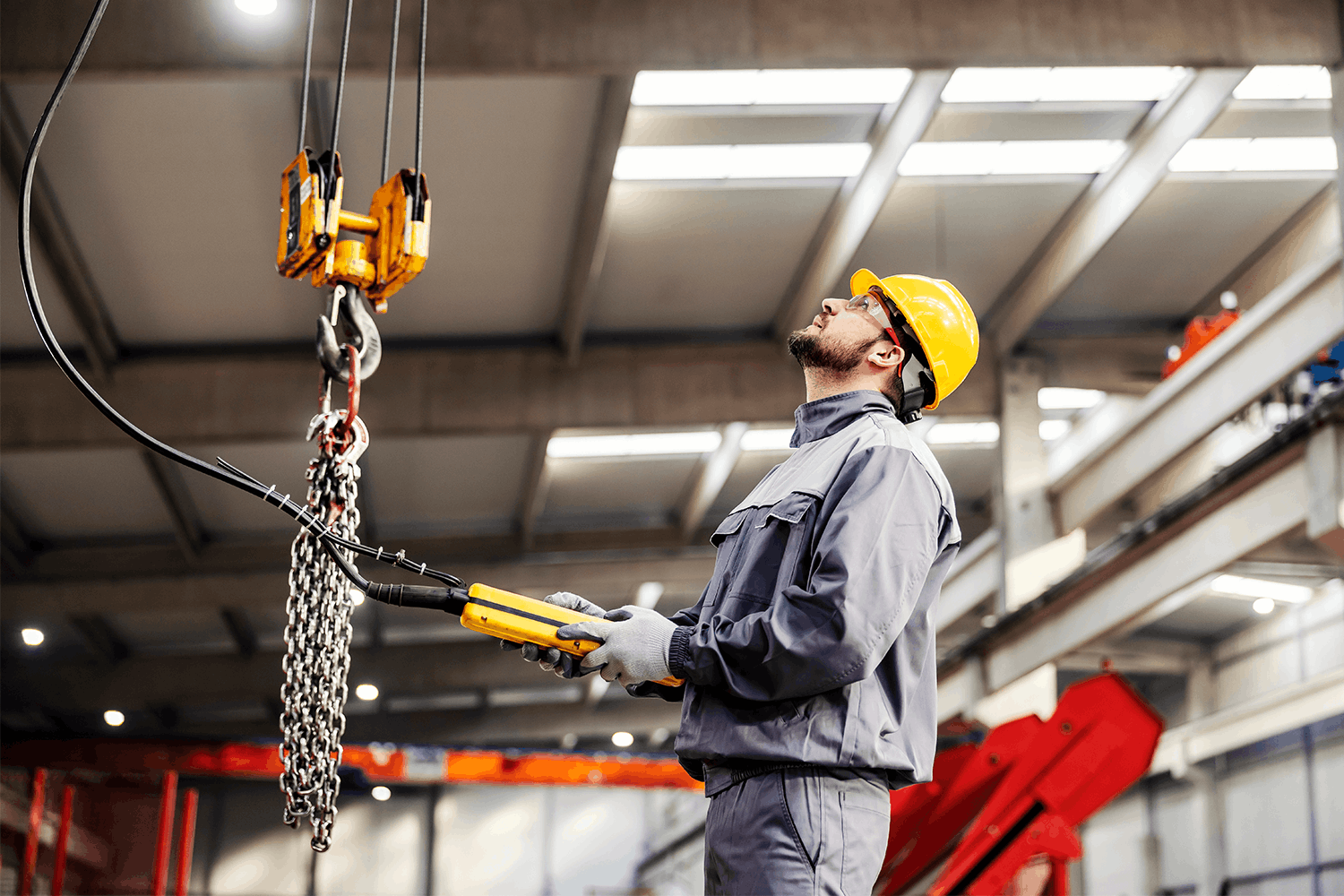
Rigging equipment reliability depends on its condition. Even properly rated parts can fail if worn, damaged, or poorly maintained. For lifting operations, inspection is not optional—it’s essential for safety and compliance.
This resource details the inspection requirements, methods, and maintenance practices that professionals rely on to keep rigging equipment in service and operating safely.
Why Rigging Inspection Matters
Rigging components endure extreme loads, often in tough environments. Over time, even top-tier equipment deteriorates because of:
- Repeated loading cycles
- Abrasion and surface wear
- Corrosion and environmental exposure
- Improper use or overloading
Inspection is the process that detects these issues before they cause failure.
A lift failure can cause the following:
- Equipment damage
- Project delays
- Serious injury or death
Consistent inspection practices lower these risks and ensure adherence to OSHA and ASME standards.
OSHA and Industry Requirements
Inspection requirements are outlined by OSHA regulations and backed by ASME standards.
Key OSHA Standards
- OSHA 1910.184 – Slings
- OSHA 1926.251 – Rigging equipment for construction
These standards require that:
- Rigging equipment must be inspected before each use.
- Defective equipment must be removed from service immediately.
- Equipment markings (WLL, manufacturer ID) must remain legible.
ASME Standards
ASME provides more detailed inspection criteria, including:
- ASME B30.9 – Slings
- ASME B30.26 – Rigging hardware
- ASME B30.20 / BTH-1 – Below-the-hook lifting devices
Together, OSHA and ASME establish both minimum requirements and best practices.
Types of Rigging Inspections
Rigging inspections are typically divided into three categories:
1. Initial Inspection
Performed before the equipment is placed into service.
Purpose:
- Verify correct specifications
- Confirm no shipping or manufacturing damage
- Ensure compliance with design and documentation
2. Frequent Inspection
Performed by operators or riggers before each use or during shifts.
Workers should concentrate on:
- Visible damage
- Deformation
- Missing components
- Tag readability
This is the most crucial inspection type because it detects issues instantly.
3. Periodic Inspection
Conducted by a qualified individual at specified intervals.
Typical frequency:
- Normal service: annually
- Severe service: quarterly
- Special service: as needed
Periodic inspections are more thorough and are documented more often.
Inspection Criteria by Equipment Type
Different rigging components fail in specific ways. Inspection should be tailored accordingly.
Wire Rope Slings
Common issues to look for:
- Broken wires (especially within one lay length)
- Kinks or birdcaging
- Crushing or flattening
- Corrosion or rust
- Worn end fittings
Any significant structural damage requires removal from service.
Alloy Chain Slings
Inspect for:
- Stretching or elongation
- Cracks or nicks
- Gouges or wear at contact points
- Bent or twisted links
- Damaged hooks or latches
Chain slings must also be inspected for heat damage that can weaken them.
Synthetic Slings (Web & Round)
Key inspection points:
- Cuts, tears, or punctures
- Abrasion or fraying
- Chemical damage
- UV degradation
- Damaged stitching
Even minor surface damage can greatly decrease capacity.
Shackles, Hooks, and Hardware
Check for:
- Deformation (bending or spreading)
- Thread damage
- Worn pins
- Missing safety latches
- Cracks or corrosion
Below-the-Hook Lifting Devices
For engineered lifting devices:
- Structural integrity (no cracks or distortion)
- Weld condition
- Pad eyes and lifting points
- Mechanical components (pins, bolts, fasteners)
- Identification plates and markings
These devices frequently need documented periodic inspections and, in some instances, load testing.
Removal from Service Criteria
Equipment must be taken out of service if any of the following are observed:
- Missing or illegible identification tags
- Evidence of overloading
- Cracks, deformation, or structural damage
- Excessive wear beyond manufacturer’s limits
- Heat or chemical damage
When unsure, take it out of service. The replacement cost is low compared to the risk of failure.
Maintenance Best Practices
Inspection alone is not enough—proper maintenance extends equipment life and ensures consistent performance.
Cleaning
- Clean off dirt, grease, and debris after each use.
- Stop buildup that might conceal damage.
Lubrication
- Apply appropriate lubricants to moving parts
- Prevent corrosion and minimize friction
Proper Storage
- Store in dry, clean environments.
- Avoid direct sunlight for synthetic slings.
- Keep equipment off the ground and organized.
Handling and Use
- Avoid dragging equipment across surfaces.
- Protect slings from sharp edges.
- Use padding where necessary.
Training and Qualified Personnel
Proper training is just as crucial as choosing the right equipment. Even when WLL and safety factors are clearly defined, improper use can quickly cause overloads or unsafe lifts. That’s why OSHA mandates that rigging be performed by qualified personnel who understand load calculations, equipment limitations, and safe lifting practices.
A qualified rigger should be able to:
- Determine load weight and center of gravity.
- Select the appropriate slings, hardware, and lifting devices.
- Understand how sling angles influence tension and WLL.
- Identify any damaged or compromised equipment.
- Use proper rigging techniques to ensure stability and control.
Training should also include hands-on practice and regular refreshers to adapt to changing job conditions and evolving standards. Even experienced crews benefit from continuous education, especially when handling complex lifts or specialized equipment.
Ultimately, WLL and breaking strength are only useful when the operators know how to use them properly. Well-trained personnel are essential for every safe and successful lift.
Common Causes of Rigging Failure
Rigging failures rarely stem from a single problem—they usually result from small mistakes that add up under load. Knowing the most common causes helps crews spot risks early and avoid costly or dangerous incidents.
One of the main causes is overloading, whether by exceeding the indicated WLL or unintentionally increasing tension due to poor rigging angles. Even when the load weight seems acceptable, factors such as reduced sling angle or uneven load distribution can push individual components beyond their safe capacity.
Another significant factor is improper equipment selection. Using the wrong type of sling, hardware, or lifting device for the application can create stress points that the equipment wasn’t designed to handle. This is especially common when substitutions are made on-site without thoroughly evaluating capacity ratings or configuration requirements.
Wear, damage, and lack of inspection also significantly contribute to failures. Components that show signs of:
- Broken wires
- Cuts or fraying
- Bent or deformed hardware
- Corrosion or excessive wear
fail well below their rated capacity. Without regular inspections, these problems often go unnoticed until it’s too late.
Improper rigging techniques are also a common cause. This includes:
- Poor load balancing
- Incorrect hitch configurations
- Inadequate securement
- Failure to account for the center of gravity
These mistakes can cause shifting loads, shock loading, or sudden increases in tension.
Finally, lack of communication and training plays a crucial role. When crews are not aligned on lift plans, signals, or responsibilities, even properly rated equipment can be used incorrectly.
Most rigging failures can be prevented. They stem from poor planning, improper use of equipment, and a lack of attention to detail—before the lift starts.
Integrating Inspection Into Your Lifting Process
Inspection should be integrated into every phase of your lifting operation, not viewed as a single task. Before each lift, a quick visual inspection helps spot obvious issues like damage, missing tags, or deformation. For equipment used regularly, scheduled inspections should be conducted and documented in accordance with OSHA and company procedures.
Effective inspection practices include:
- Inspect slings, hardware, and devices for wear, cuts, corrosion, or distortion.
- Verify that capacity tags are present and legible.
- Immediately remove any questionable equipment from service.
Integrating inspections into your workflow ensures problems are identified early—before they affect safety or performance.
When applied consistently, these practices decrease downtime, avoid failures, and safeguard personnel.
For operations that require engineered lifting solutions, load testing, or custom equipment, working with experienced professionals ensures your equipment meets both performance standards and regulatory requirements.