How to Choose the Right Spreader Bar for a Lift
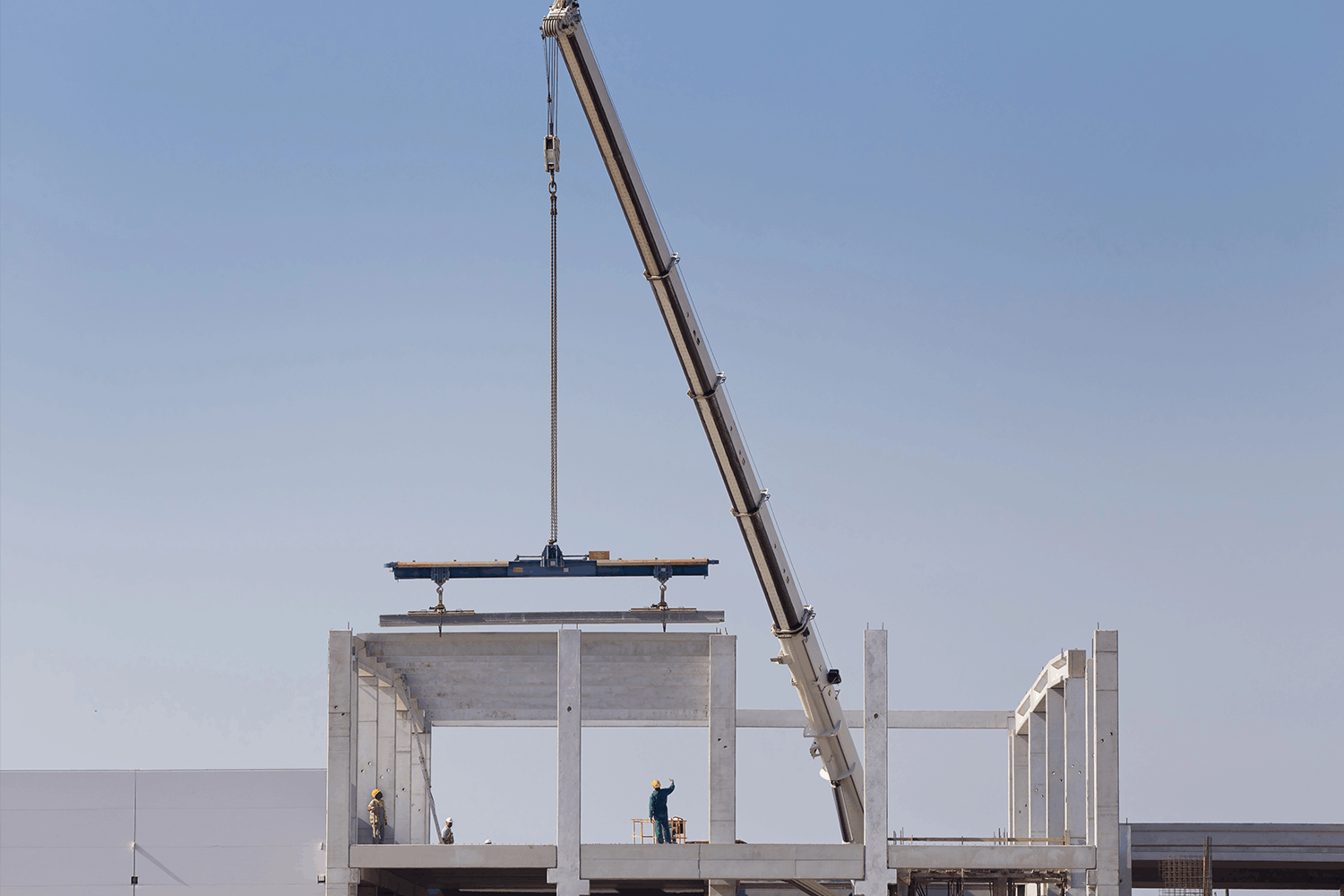
Spreader bars play a critical role in modern rigging operations, where load control, sling angle management, and structural stability are essential. In industrial lifting environments, selecting the wrong spreader bar can introduce unnecessary compressive forces, uneven loading, poor rigging geometry, and increased risk to both personnel and equipment.
For rigging professionals, spreader bar selection is not simply about matching rated capacity to load weight. The lift must also account for sling angles, span requirements, load distribution, headroom limitations, environmental conditions, and the application’s operational demands. Whether handling structural steel, fabricated assemblies, precast components, process equipment, or oversized industrial loads, selecting the proper spreader configuration directly affects lift safety and efficiency.
Understanding how spreader bars function and how different designs perform under load helps rigging teams build safer, more controlled lifting systems.
What Is a Spreader Bar?
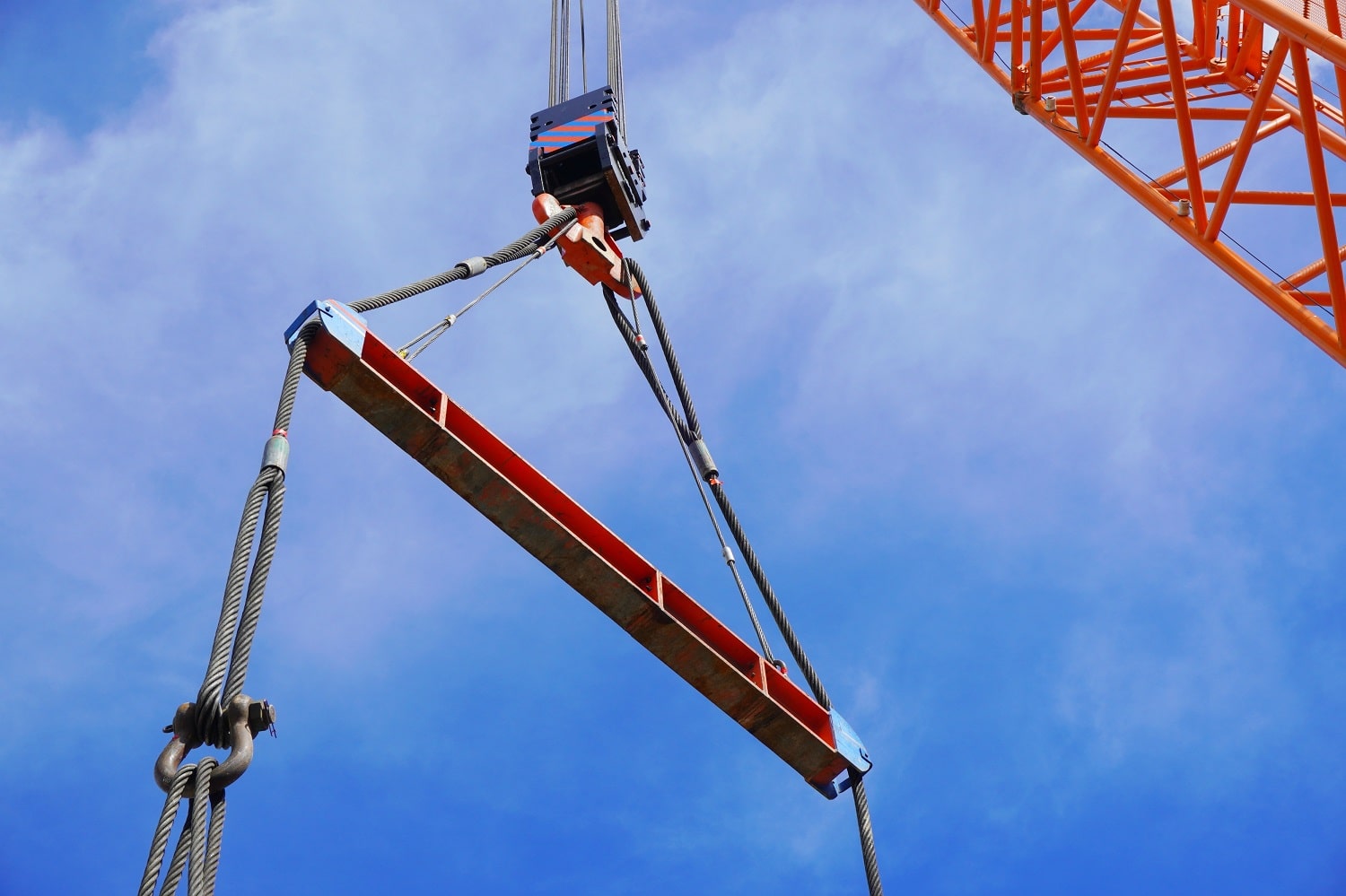
A spreader bar is a below-the-hook lifting device that stabilizes loads and distributes lifting forces across multiple pick points. Unlike lifting beams, which primarily experience bending forces, spreader bars are engineered to work primarily in compression. This design reduces inward horizontal forces while maintaining proper spacing between slings during a lift.
Spreader bars are commonly used in the following applications:
- Long or oversized loads
- Fragile equipment
- Multiple lifting points
- Uneven weight distribution
- Lifts requiring reduced sling tension
- Applications with strict load control requirements
Typical spreader bar assemblies may include:
- Main spreader tube or structural member
- Top lifting lugs
- End fittings
- Shackles
- Synthetic or wire rope slings
- Master links
- Adjustable connection points
In many industrial lifting operations, spreader bars are preferred because they improve rigging geometry and reduce stress on both the load and the rigging hardware.
Why Proper Spreader Bar Selection Matters
Improper spreader bar selection can cause significant problems during a lift. Even when the device itself is rated above the lifted weight, incorrect span length, poor sling geometry, or uneven loading can compromise lift stability and introduce excessive forces into the system..
Proper spreader bar selection helps:
- Improve load balance
- Maintain controlled sling angles
- Reduce compressive loading on the load
- Minimize side-loading risks
- Improve lifting stability
- Protect sensitive or flexible loads
- Reduce wear on rigging hardware
- Improve crane efficiency and lift control
Properly engineered spreader systems also help reduce the likelihood of load shifting during initial tensioning and throughout the lift.
Understanding the Load Before Selecting a Spreader Bar
The first step in selecting a spreader bar is to understand the load. Accurate lift planning begins with complete load data, not assumptions or estimates.
Load Weight
The total lifted weight must include:
- The load itself
- Rigging hardware
- Slings
- Shackles
- Additional attachments or lifting fixtures
Underestimating the total lifted weight can overload the spreader assembly and alter rigging geometry under tension.
Load Dimensions
Load length often determines whether a spreader bar is required. Long loads frequently experience excessive inward compression forces when lifted with steep sling angles. A properly sized spreader bar helps maintain separation between pick points and reduces stress on the load.
Load width and height also influence:
- Sling length selection
- Lift point spacing
- Crane hook height requirements
- Clearance considerations
Center of Gravity
A spreader bar does not automatically correct improper center-of-gravity placement. Rigging teams must determine the actual center of gravity to maintain proper balance during the lift.
Off-center loads can create:
- Uneven sling loading
- Increased side loading
- Unstable lift conditions
- Rotational movement during lifting
In complex lifts, engineered calculations may be required to properly position lift points and to equalize loading.
Pick Point Configuration
The number and placement of pick points significantly affect spreader bar design. Some lifts require simple two-point lifting arrangements, while others require multiple pick points with equalized loading.
Rigging professionals should verify:
- Structural integrity of lift points
- Pick point spacing
- Load path distribution
- Compatibility with rigging hardware
Determining Proper Capacity
Working Load Limit (WLL) is one of the most important factors in selecting a spreader bar, but capacity alone should never be the sole consideration.
The spreader bar and all associated rigging hardware must be rated for the following:
- The total lifted load
- Dynamic loading conditions
- Environmental factors
- Potential shock loading
Lifts involving sudden starts, stops, or shifting loads may generate forces that exceed static load calculations.
Rigging professionals should also account for:
- Sling tension increases
- Load transfer during movement
- Crane motion
- Wind exposure during outdoor lifts
Each component of the lifting system must operate within its rated capacity.
Evaluating Span Requirements
Span length directly affects how effectively a spreader bar distributes loads.
A spreader bar that is too short may:
- Increase sling tension
- Create excessive inward compression
- Reduce load stability
- Introduce improper load angles
A properly sized spreader bar helps maintain efficient load distribution and improves sling geometry.
Fixed Spreader Bars
Fixed spreader bars are commonly used in repetitive lifting operations when load dimensions remain consistent. These systems provide:
- Simpler configurations
- Reduced adjustment requirements
- Consistent rigging geometry
- Reliable repeatability
Adjustable Spreader Bars
Adjustable spreader bars offer flexibility across multiple lifting applications. They are commonly used in the following situations:
- Load dimensions vary
- Multiple products are handled
- Field adjustments are required
- Storage and transport flexibility are important
Many industrial operations benefit from adjustable systems because these systems reduce the need for multiple dedicated lifting devices.
Choosing the Right Type of Spreader Bar
Different lifting applications require different spreader configurations.
Fixed Spreader Bars
Best suited for:
- Repetitive production lifts
- Dedicated lifting systems
- Standardized load sizes
Adjustable Spreader Bars
Ideal for:
- Multiple load configurations
- Fabrication facilities
- Field lifting operations
- Maintenance environments
Modular Spreader Systems
Modular systems are widely used in heavy industrial and oversized lifting operations. These systems allow rigging teams to configure:
- Multiple spans
- Various capacities
- Multi-point lift arrangements
They are especially valuable for large infrastructure, energy, and heavy construction projects.
Custom Engineered Spreader Bars
Some lifting operations require fully engineered custom devices. This is common in the following cases:
- Irregular load geometry
- Restricted headroom
- Specialized industrial equipment
- Multi-crane lifting operations
- Extremely high capacities
- Complex center-of-gravity requirements
Custom-engineered spreader bars allow rigging professionals to optimize load handling while improving operational safety and efficiency.
Environmental and Operational Considerations
Environmental conditions can significantly affect the performance of spreader bars.
Outdoor lifting operations may involve:
- Wind loading
- Corrosion exposure
- Moisture
- Extreme temperatures
Industrial environments such as steel mills, foundries, and processing plants may require:
- Heat-resistant materials
- Specialized coatings
- Increased inspection frequency
Frequently used lifting devices may also require higher-duty engineering classifications to account for fatigue and repetitive loading cycles.
ASME and OSHA Considerations
Spreader bars fall under ASME B30.20 requirements for below-the-hook lifting devices. Rigging professionals should ensure that lifting devices meet applicable requirements for:
- Identification markings
- Rated capacities
- Inspection procedures
- Structural integrity
- Documentation
- Proof load testing
OSHA regulations also require lifting devices to be used within their rated capacities and to be maintained in safe operating condition.
Proof load testing is especially important for engineered lifting devices because it verifies structural performance before the device is put into service.
Inspection and Maintenance
Inspection procedures should be included in every lift plan involving spreader bars.
Pre-use inspections should verify:
- Structural integrity
- Cracks or deformation
- Damaged welds
- Bent components
- Excessive wear
- Missing identification tags
- Damaged hardware connections
Rigging professionals should also ensure:
- Proper storage practices
- Corrosion prevention
- Scheduled periodic inspections
- Removal of damaged equipment from service
Never make unauthorized modifications to engineered lifting devices.
When a Custom Engineered Solution Makes Sense
Standard spreader bars work well for many lifting operations, but some applications require engineered solutions.
Custom spreader systems are often the best option for:
- Complex fabricated structures
- Multi-point lifts
- Long-span loads
- Delicate equipment
- Tight clearance restrictions
- Repetitive production handling
- High-capacity industrial lifting
Engineered systems enable rigging teams to optimize lifting efficiency, improve load control, and reduce operational risk.
____________________________________
Selecting the right spreader bar involves far more than matching a rated capacity to a load weight. Rigging professionals must evaluate the entire lifting environment, including load geometry, sling angles, span requirements, center of gravity, environmental conditions, and operational demands.
Whether using fixed, adjustable, or custom-engineered systems, proper spreader bar selection improves load control, reduces rigging stress, and supports safer below-the-hook lifting. See our full line of in-stock spreader bars here, or call 1-855-800-9568 to speak with one of our experts for assistance or to discuss a custom rigging solution tailored to your needs.