What Are Telescoping Spreader Bars Used For? Top Industry Applications

In the field of rigging and heavy lifting, versatility is essential. Not every task involves the same loads or lift setups, which is why adjustable equipment, such as telescoping spreader bars, is vital in modern material handling. These flexible tools provide a blend of strength, safety, and adjustability that fixed-length spreader bars can’t consistently deliver. But what exactly are telescoping spreader bars used for, and which industries depend on them the most?
Let’s take a closer look at how telescoping spreader bars work, their main benefits, and the various industries that rely on them for safe and efficient lifting.
What Is a Telescoping Spreader Bar?
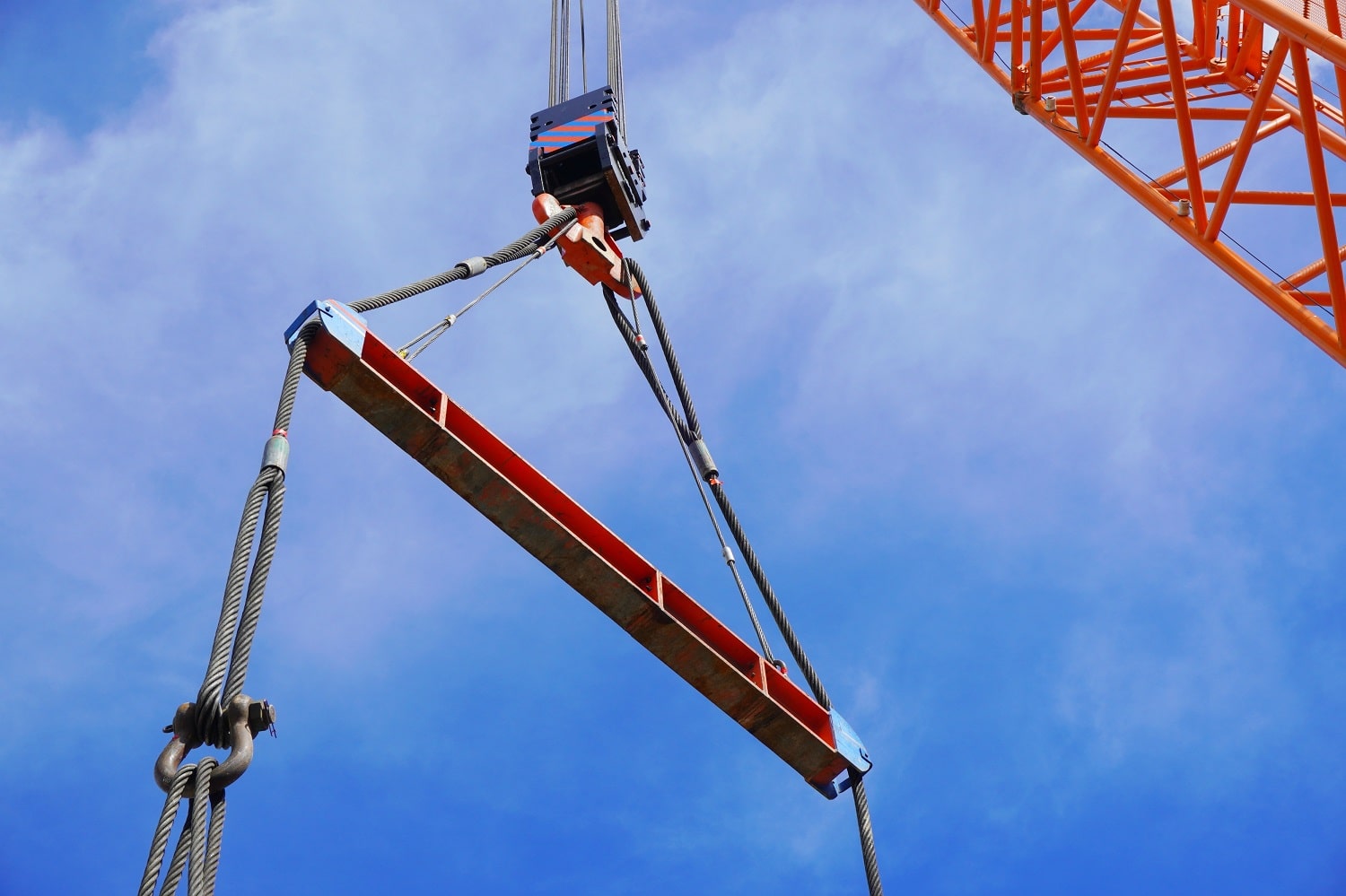
A telescoping spreader bar is a rigging device used to lift and support loads by spreading the lifting force across multiple points. What makes it different from a standard or fixed-length spreader bar is its adjustable length. These bars have extendable arms that slide in and out, letting operators customize the spread width to match the size and shape of the load.
At each end of the bar, connection points—usually in the form of lifting lugs or shackles—are used to attach slings, chains, or hooks. The bar itself is suspended from a crane or hoist, and its primary purpose is to keep proper sling angles, lessen stress on the load, and prevent damage caused by compressive forces.
Benefits of Telescoping Spreader Bars
The increasing demand for telescoping spreader bars arises from the unique benefits they provide.
- Adjustable Length: Easily adapt to loads of different widths without needing multiple spreader bars.
- Compact Storage: The telescoping design enables the unit to fold down for easier transport and storage.
- Enhanced Load Control: Ensures balanced lifting angles and minimizes side loading and bending.
- Cost Efficiency: One adjustable bar can replace multiple fixed-size spreader bars, saving money and storage space.
- Enhanced Safety: Designed to maintain structural integrity under dynamic lifting conditions, supporting safety compliance.
Whether you’re lifting concrete slabs, shipping containers, or large machinery, the telescoping feature makes it easier to match the tool to the task at hand.
Where Are Telescoping Spreader Bars Used?
1. Construction
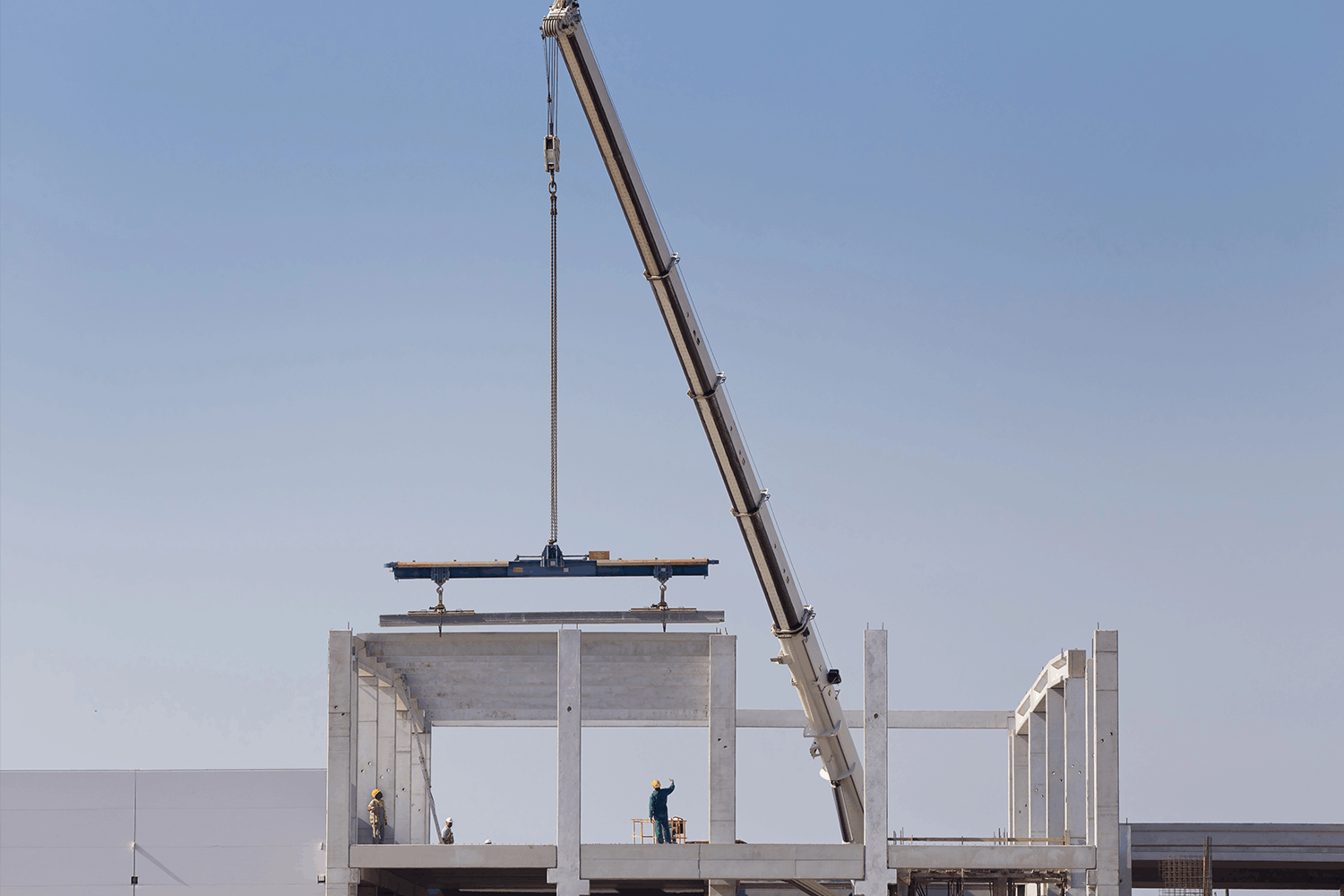
Construction projects often involve oversized or irregularly shaped materials, such as steel beams, wall panels, HVAC units, or precast concrete sections. Telescoping spreader bars offer the flexibility to handle various component sizes and ensure secure lifting for components that require precise positioning.
Their adjustability is particularly helpful when managing site constraints, such as confined workspaces, different lift clearances, or terrain that restricts equipment movement.
2. Maritime and Shipbuilding
Heavy marine components such as ship sections, propellers, and ballast systems require sturdy lifting solutions. Telescoping spreader bars are commonly used in shipyards to safely lift large assemblies, thereby preventing bending, warping, or structural damage.
They are also perfect for container handling, enabling operators to adjust the spreader length to match the width of both standard and non-standard containers during loading and unloading at ports.
3. Oil and Gas
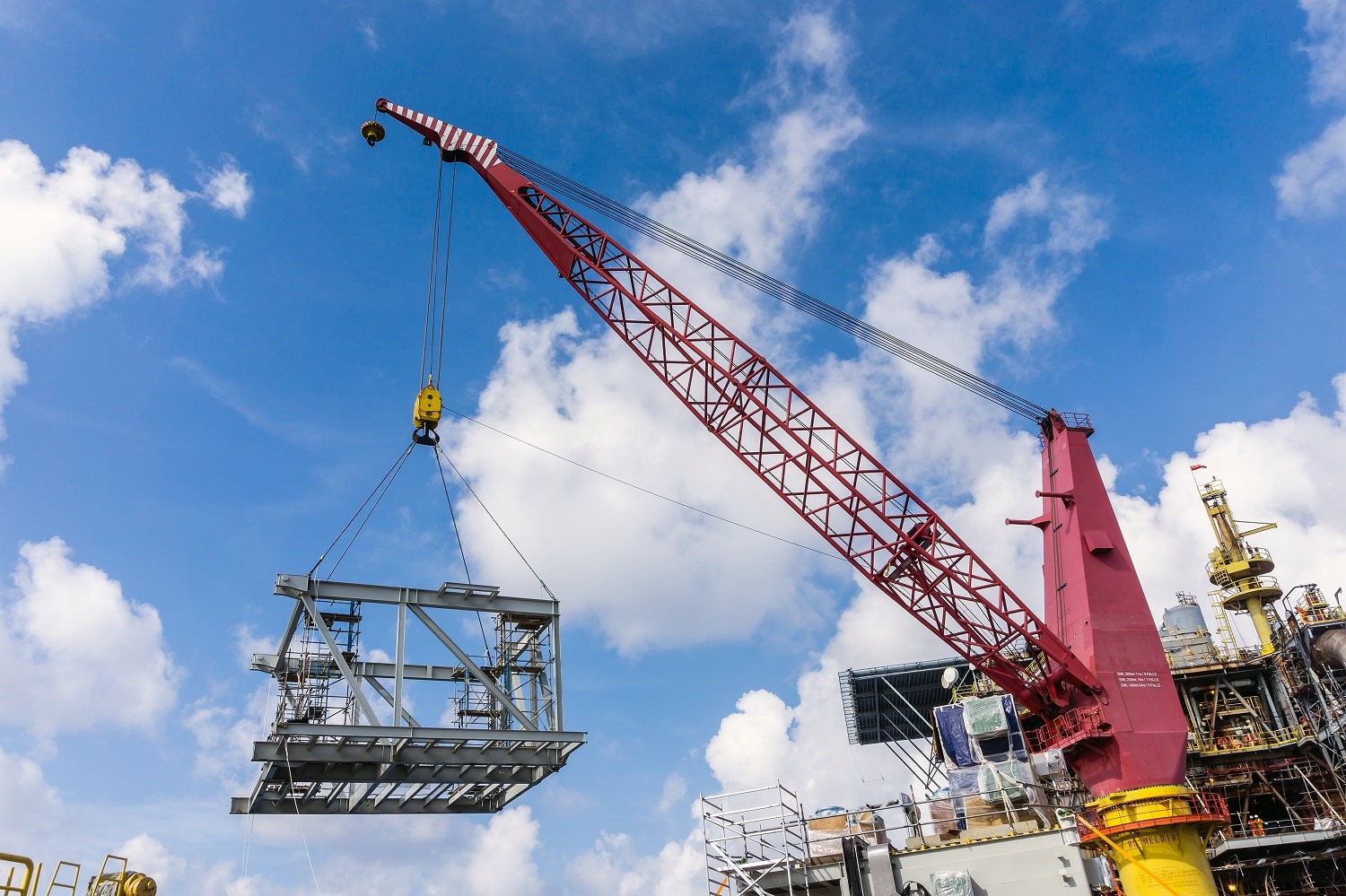
On both offshore platforms and land-based rigs, equipment varies in size, weight, and fragility. Telescoping spreader bars enable lifting pipe racks, skids, compressors, and modular units with customized spread spacing.
Because much of the oil and gas industry operates in remote or confined areas, the compact design and versatility of these bars make them a smart choice for both scheduled maintenance and urgent lifting tasks.
4. Manufacturing and Fabrication
In a manufacturing environment, telescoping spreader bars are perfect for transporting molds, dies, structural assemblies, and large fabricated parts between workstations or into testing areas.
The ability to adjust the spread quickly means less downtime, a decreased need for extra lifting gear, and more consistent lifts across various production lines.
5. Aerospace and Aviation
Aircraft parts, such as wings, fuselage sections, and turbine components, require cautious handling. Telescoping spreader bars enable riggers to customize lift points, matching the delicate balance of these structures and helping to prevent twisting, warping, or cosmetic damage during transit or assembly.
The precision and control offered by telescoping bars make them a standard in aircraft maintenance facilities, hangars, and production plants.
6. Utilities and Infrastructure
Whether it’s hoisting transformers into place or installing large utility poles, infrastructure work requires lifting tools capable of handling unique shapes and weight distributions. Telescoping spreader bars provide the spacing and control needed to manage large, often delicate equipment used in the power and telecommunications sectors.
They’re also used in bridge construction, water treatment plant maintenance, and other projects involving heavy infrastructure.
Common Lifting Scenarios
Beyond industries, telescoping spreader bars are essential in specific lifting scenarios, including:
- Wide Loads: When the item being lifted is wider than standard spreader bar sizes.
- Unusual or irregular shapes: Ideal for loads with multiple or offset lifting points.
- Multiple pick points: Provides flexibility in sling attachment to handle complex lifting geometries.
- Fragile or precision loads: Minimizes the risk of point loading or damage from compression.
Their ability to customize lift setups makes them vital for professionals who encounter different job-site conditions and lifting requirements.
How to Choose the Right Telescoping Spreader Bar
Not all telescoping spreader bars are the same. When selecting the right one for your operation, think about the following:
- Load Capacity: Always verify the Working Load Limit (WLL) and ensure it meets or exceeds your lift requirements.
- Adjustable Range: Select a bar with a minimum and maximum length suitable for your typical load widths.
- Connection Points: Make sure it is compatible with your slings, hooks, or shackles.
- Material & Build Quality: Choose bars made from high-strength steel with durable finishes for outdoor or industrial use.
- Certifications: Verify that the equipment complies with relevant safety standards, such as OSHA and ASME.
A properly chosen telescoping spreader bar not only safeguards your load—it also protects your crew and equipment investment.
Telescoping spreader bars are more than just adjustable lifting tools—they’re effective solutions for modern rigging problems. Their ability to adapt to various load sizes, enhance lifting safety, and reduce the number of tools needed on-site makes them essential across industries such as construction, manufacturing, shipbuilding, and utilities.
Whether you’re handling complex lifts or refining your lifting toolkit, telescoping spreader bars offer the strength, control, and flexibility needed to complete the job correctly. For teams aiming to improve efficiency and safety on the jobsite, adding a telescoping spreader bar to your rigging plan is a wise choice worth considering.