What Is a Below-the-Hook Lifting Device? A Complete Guide to Safe and Efficient Lifting
In material handling and lifting operations, below-the-hook (BTH) devices are the unsung heroes that enable difficult and dangerous lifts. These tools attach between a crane or hoist and the load, providing stability, balance, and secure attachment. Whether lifting steel plates, glass panels, coils, or irregularly shaped loads, the right BTH device ensures safe, efficient, and precise movement.
Choosing the correct device can significantly reduce downtime, prevent accidents, and make lifting tasks easier and more predictable. To understand why, let’s explore what these devices are, the different types available, and how to safely operate and maintain them.
What Is a Below-the-Hook Lifting Device?
A below-the-hook lifting device is any mechanism that connects the hook of a hoist, crane, or other lifting machine to the load. Think of it as the “middle man” in the lifting process. Without it, many loads would be unsafe or impossible to move.
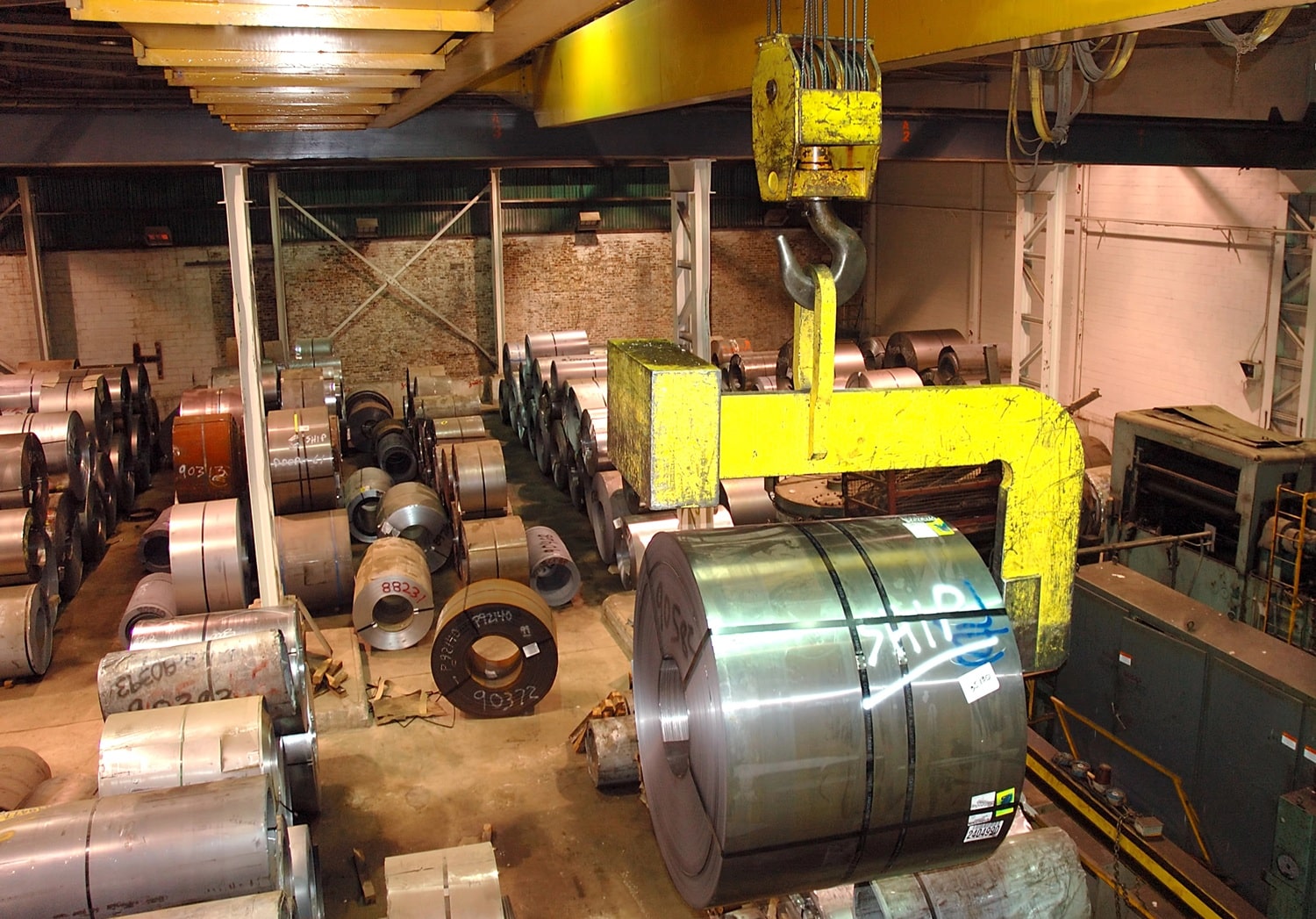
These devices can be mechanical, hydraulic, pneumatic, or even electrically powered, depending on the complexity of the lift. For example, a simple C-hook might be used to grab a steel coil, while a vacuum lifter with multiple suction pads may be needed to handle fragile glass panels.
Since no two loads are identical, many BTH devices are custom-made for specific tasks. Nevertheless, there are also widely available standard models built to address everyday lifting needs.
Why Below-the-Hook Devices Matter
The appropriate BTH device offers significant advantages for a lifting operation.
- Safety: An improperly secured load can shift, swing, or fall. This poses a serious risk to workers, equipment, and property. Below-the-hook devices are explicitly designed to reduce this risk by securely holding loads and maintaining their balance during lifting.
- Efficiency: Every minute spent trying to rig a load improperly adds up. Devices designed for specific tasks help operators lift and move items more efficiently, reducing downtime and ensuring operations run smoothly.
- Precision: Some loads need careful handling. Whether it’s positioning a steel beam during construction or moving delicate sheets of glass, a well-matched BTH device ensures loads are lifted and placed precisely where they need to go without unnecessary adjustments.
- Compliance: Regulatory agencies, such as OSHA and ASME, set strict standards for lifting equipment. Using approved below-the-hook devices ensures your operations comply, minimizes liability, and helps prevent expensive fines.
Standards and Design Considerations
Below-the-hook devices must be designed to meet strict safety standards that safeguard workers and ensure reliable performance. Two main standards apply:
- ASME B30.20 – This standard specifies the requirements for the construction, marking, inspection, and safe use of below-the-hook lifting devices. It ensures that equipment is built and maintained to a consistent safety standard.
- ASME BTH-1 – This standard defines the design criteria for BTH devices, including load factors, materials, and fatigue life. It guarantees that the engineering of each device considers safety margins and operational conditions.
Design Categories and Service Classes
- Design Category: Devices are classified based on the predictability of their loads and the environment in which they will be used. For example, a device in a clean factory environment that lifts consistent loads may fall into a lower category. At the same time, one used outdoors with variable loads would require a higher safety margin.
- Service Class: This classification considers the frequency of use and the total number of lifting cycles expected during the device’s service life. A device used only occasionally has different design requirements compared to one that lifts multiple loads every day in a production facility.
Together, these classifications ensure that each device is designed for its specific purpose, reducing the likelihood of early wear or breakdown.
Types of Below-the-Hook Devices
| Category | Examples | Best Uses |
| Lifting & Spreader Beams | Lifting beams, spreader bars | Ideal for long or asymmetrical loads, such as large panels, beams, or machinery, where multiple pick points are required for balance. |
| Coil & C-Hooks | Coil hooks, C-hooks | Designed to pick up coils of steel or other cylindrical materials through their inner diameter, keeping them stable during transport. |
| Plate Clamps & Sheet Lifters | Vertical/horizontal clamps | Securely grip sheet metal, plates, or flat materials. Clamps allow lifting both vertically and horizontally without slippage. |
| Pallet Lifters | Fork-type lifters | Perfect for lifting palletized loads without the need for a forklift, saving space and equipment costs. |
| Magnetic Lifters | Permanent or electromagnetic | Allow ferrous materials to be lifted without the use of mechanical clamps. They are beneficial when a smooth, non-damaging lift is required. |
| Vacuum Lifters | Vacuum pads or suction systems | Common in industries that handle glass, smooth sheet metal, or delicate surfaces, this provides secure lifting without scratches. |
| Grapples & Tongs | Mechanical grapples, tong-style lifters | Handle bulk or irregularly shaped loads such as scrap metal, logs, or debris. |
| Custom Fixtures | Purpose-built devices | Engineered specifically for unique or challenging loads when standard devices won’t work. |
Each type is tailored for specific load characteristics. Choosing the wrong one could result in damage to the load or serious safety hazards.
Key Design and Engineering Factors
When choosing or designing a device, several factors need careful consideration.
- Load Characteristics – This includes not only the total weight but also how that weight is distributed, the shape of the load, and its center of gravity. Loads that shift easily need additional stability features.
- Attachment Points – The connection between the crane hook and the device, as well as between the device and the load, must be secure and compatible. Using the wrong attachment point could cause an imbalance.
- Geometry & Headroom – Limited vertical space may necessitate compact devices. Similarly, a load that must rotate or tilt during lifting might require a specialized design.
- Environmental Factors – Harsh conditions, such as extreme heat, moisture, dust, or chemicals, can weaken materials or decrease device performance. Devices need to be designed with the environment in mind.
- Fatigue & Duty Cycle – If a device is used multiple times a day, fatigue becomes a significant concern. Engineering must consider how many cycles the device will endure throughout its lifespan.
- Safety Factors – Welds, reinforcements, and material choices must be strong enough to handle repeated stresses with a safety margin beyond the load’s actual weight.
- Operation & Controls – Devices might have moving parts or powered mechanisms. Safety features, such as ease of use, locking systems, and fail-safes, should all be considered to protect operators and loads.
- Inspection & Maintenance – A good design also considers how easily the device can be inspected, maintained, and repaired. This minimizes downtime and prolongs its lifespan.
Safe Operation: Do’s and Don’ts
Do’s
- Train operators thoroughly: Every operator must understand how to operate the device, including rigging methods and emergency procedures.
- Inspect before each use: Check for cracks, bends, wear, or missing identification tags before lifting.
- Confirm capacity: Always make sure the total weight of the device and load stays within the crane’s or device’s rated capacity.
- Lift smoothly: Begin with slow, controlled movements to prevent shock loading or sudden shifts.
- Follow inspection schedules: Regular inspections at regular intervals help detect problems before they cause failure.
Don’ts
- Never exceed the rated capacity: Even minor overloads can cause hidden damage that may result in future failures.
- Don’t use damaged equipment: A bent beam or cracked weld clearly indicates that the device needs repair or retirement.
- Avoid shock loading: Jerk or sudden stops can exert forces well above the rated capacity.
- Don’t modify devices: Unauthorized modifications jeopardize safety and invalidate engineering standards.
- Never remove labels: Identification tags ensure traceability and carry essential load capacity details.
How to Choose the Right Below-the-Hook Device
When selecting or commissioning a device, consider these steps:
- Define Your Load – Determine the size, weight, and shape of the loads you’ll handle. Knowing this helps narrow down the appropriate device types.
- Understand Your Environment – Temperature extremes, weather exposure, or chemical exposure can determine which materials and coatings are suitable.
- Standard vs. Custom Solutions – For typical lifting needs, an off-the-shelf device might suffice. For specialized loads, investing in a custom-engineered device is usually safer and more cost-effective in the long run.
- Work with Experts – Always collaborate with engineers or manufacturers who are familiar with ASME and OSHA standards. This guarantees the device is correctly tested and documented.
- Plan Maintenance from Day One – Every device has a lifespan. Establish inspection schedules, train staff on maintenance procedures, and allocate funds for eventual replacement.
- Prioritize Training – Even the best device can be unsafe in the hands of an untrained user. Operator training should always be included in the purchase and implementation plan.
Common Mistakes to Avoid
- Underestimating load weight or balance: Misjudging the load’s center of gravity often leads to unsafe lifts.
- Ignoring dynamic effects: Sudden movements or swinging can cause stress that exceeds the device’s capacity.
- Overlooking welds and joints: Weak welds or poor repairs frequently serve as failure points in lifting equipment.
- Operating without labels: Missing load ratings or serial tags prevent confirming safe use.
- Forgetting about fatigue: Devices degrade over time. Planning for replacement ensures long-term safety.
Below-the-hook lifting devices are essential tools in industries where heavy, awkward, or specialized loads must be moved safely. From beams and clamps to magnets and custom-engineered fixtures, these devices enhance safety, boost efficiency, and give operators accurate control during complex lifts.
By selecting the appropriate device, adhering to design standards, and prioritizing safety through regular inspections and training, companies can create safer work environments, extend equipment lifespan, and protect both workers and investments.