Coil Handling Equipment: Tools That Enhance Safety and Productivity
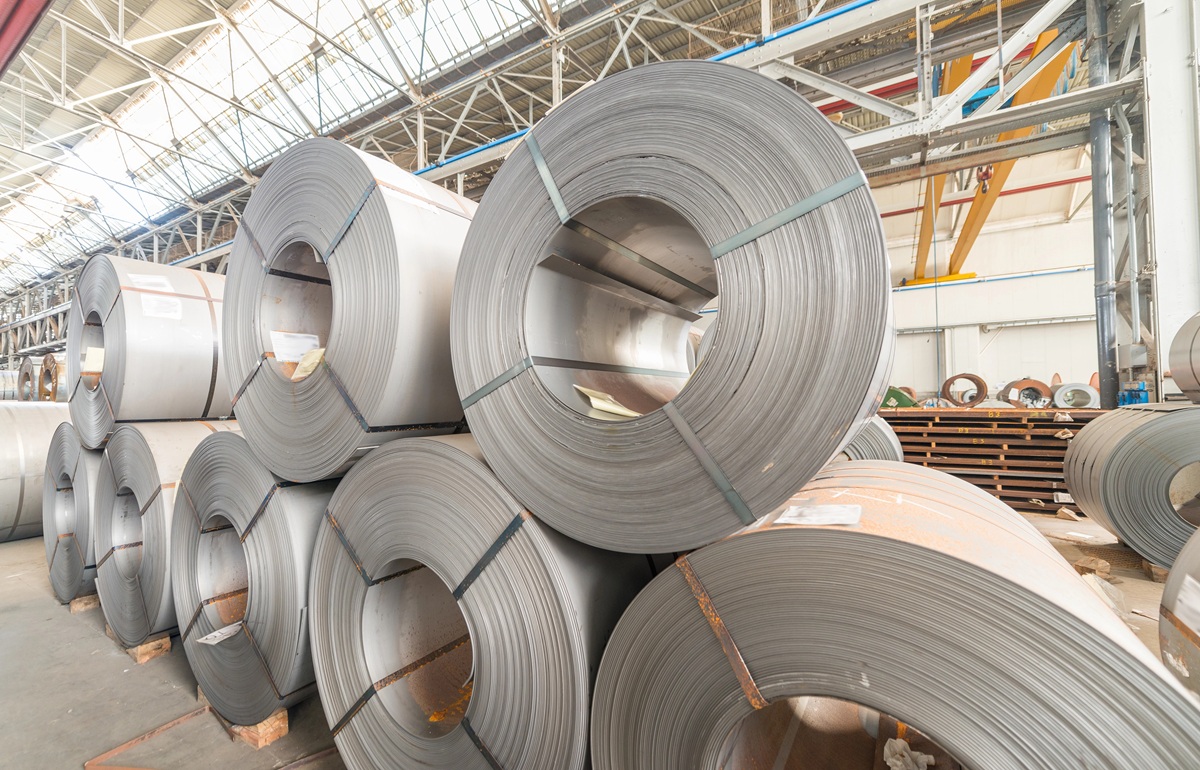
Handling coils is a vital task in industries that process and move materials such as steel, aluminum, copper, and other specialized materials throughout a facility. Coils are dense, heavy, and often tricky to maneuver, which can put workers at risk and slow production if improper equipment is used. Purpose-built coil-handling devices enable rigging professionals to lift, stack, transport, and position coils with greater control, reducing the risk of accidents, coil damage, or workflow disruptions.
This post highlights the most common coil-handling tools used in modern operations, explains what makes each effective, and describes the conditions under which each device performs best. The aim is to provide rigging professionals with a practical guide to enhance safety and productivity when handling heavy coils.
Why Specialized Coil-Handling Equipment Matters
Coils pose unique challenges: uneven weight distribution, sharp edges, and large diameters. Standard lifting methods such as slings or improvised rigging often fall short, especially in high-volume or production-critical settings. Specialized coil-handling equipment offers controlled engagement, consistent lifting geometry, and better maneuverability in tight or demanding spaces.
Using properly engineered coil-handling tools offers several core advantages:
- Greater stability: Devices are designed to engage the coil via its inner diameter, outer diameter, or body, providing predictable load control.
- Reduced coil damage: Proper lifting techniques prevent flattening, denting, or edge damage that can disrupt processing or reduce material value.
- Faster throughput: Purpose-built tools reduce rigging time and reduce the number of operators required during lifts.
- Improved worker safety: Reducing manual intervention and minimizing coil contact greatly lowers exposure to crush hazards and lifting instability.
- Better workflow efficiency: Reliable lifting tools simplify coil handling across storage, processing, and shipping zones.
Key Coil-Handling Tools
C-Hooks (Coil Hooks)
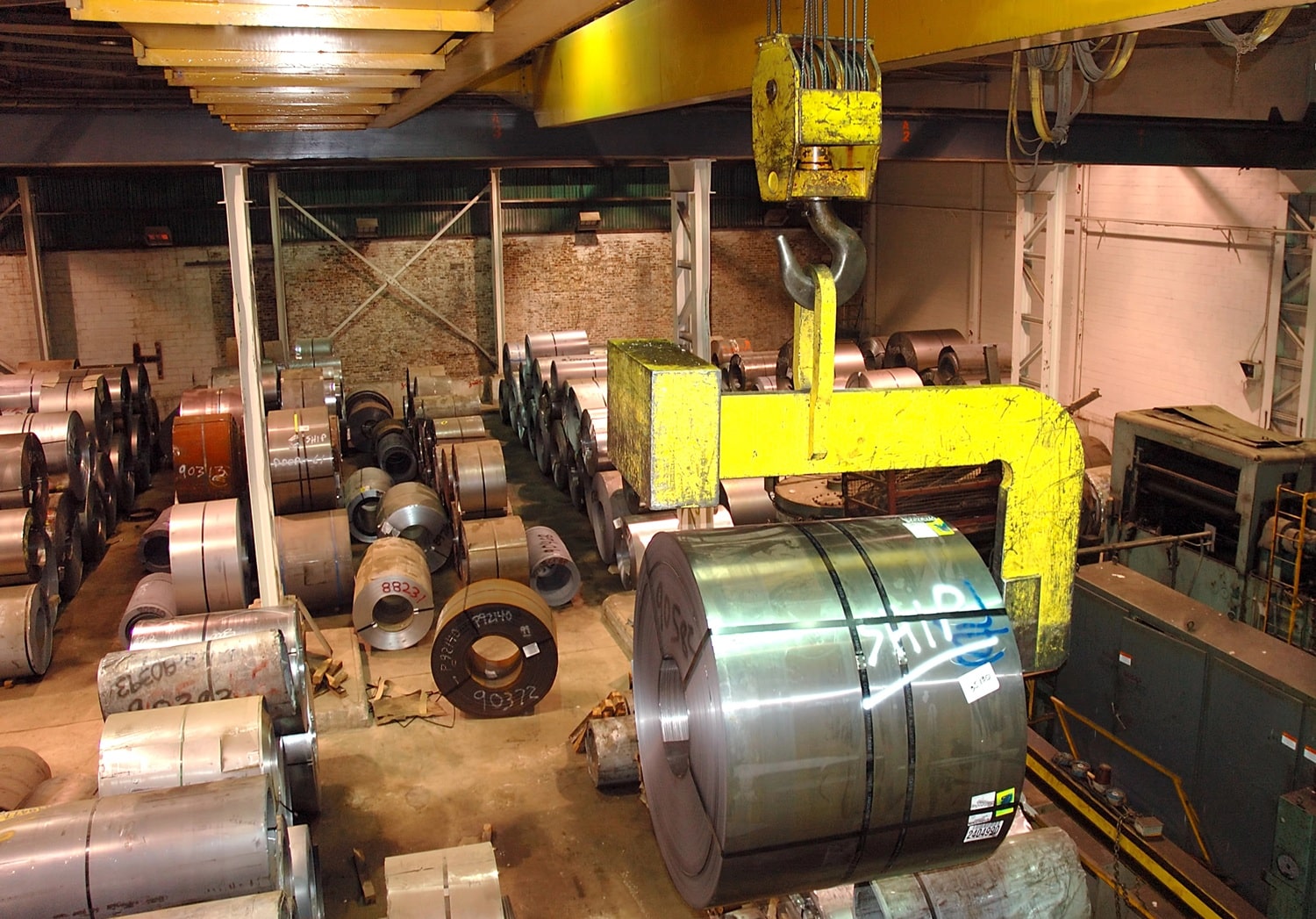
C-Hooks are among the most commonly used tools for handling horizontal coils. The lifter’s slim, C-shaped design allows the operator to grip the coil through its inner diameter, cradle it on the lifting arm, and move it safely without requiring complex adjustments.
Where C-Hooks Excel:
- High-volume production settings where the same coil sizes are moved repeatedly
- Loading and unloading trucks, processing lines, or conveyors
- Applications that need a simple, durable, long-lasting lifting device
- Situations where operators require quick rigging and reliable engagement
Key Advantages:
- Simple design with no hydraulic or mechanical parts
- Quick insertion and removal compared to sling methods
- Ideal for heavy coils needing steady horizontal support
- Available with low-headroom or close-stacking options
Considerations:
- Requires adequate access to the coil’s ID
- Best suited for coils stored and transported horizontally
- Not ideal for very tight aisles or confined spaces
Telescoping / Adjustable Coil Lifters
Telescoping coil lifters have extendable legs or arms that adjust to fit different coil widths and diameters. This design offers great versatility, especially when coil sizes change often or space limitations demand more precise handling.
Where Adjustable Lifters Excel:
- Facilities managing a wide range of coil sizes
- Workflows where one lifting device needs to handle multiple tasks
- Environments with limited headroom or tight aisles
- Operations that require motorized or remote-controlled adjustments
Key Advantages:
- Adjustable legs let one tool replace multiple fixed-size lifters.
- Improved coil stability during lifting and transport.
- Often equipped with powered rotation, load indicators, or hold-down arms.
- Ideal for both heavy and mid-weight coils.
Considerations:
- More complex mechanical systems demand extra inspection and maintenance. Operators require proper training for motorized or automated features. They also require a higher initial investment than simple fixed-arm devices.
Narrow Aisle Coil Lifter
A Narrow Aisle Coil Lifter is designed specifically for facilities with limited space. These lifters have a slim, space-saving profile that allows operators to safely move coils between tightly packed racks, narrow storage lanes, or crowded work zones. They lift coils horizontally by supporting them from the inside diameter, similar to traditional C-Hooks, but with a shape optimized for minimal side clearance.
Where Narrow Aisle Lifters Excel:
- Warehouses or storage areas with very narrow aisle widths
- Facilities stacking coils closely to maximize floor space
- Environments where traditional C-Hooks are too bulky for safe handling
- Operations requiring precise insertion and removal in tight spaces
Key Advantages:
- Slim, compact design for better maneuverability
- Reduces the risk of coil-edge contact with racks, machinery, or stored inventory
- Enables closer coil placement for more efficient use of floor space
- Can be configured to handle heavy or oversized coils even in tight conditions
Considerations:
- Requires carefully planned crane travel paths due to tight operating envelopes. Coil dimensions must match the lifter’s ID entry and clearance requirements. Operators need training to ensure safe navigation of confined aisles.
Coil Tongs / Vertical Coil Lifters
Coil tongs are designed to lift coils stored “eye-to-the-sky” (vertically). These tools grip the coil by its inner or outer diameter and lift it vertically, making them ideal for facilities with limited floor space or where coils need to be stacked closely.
Where Coil Tongs Excel:
- Vertical storage systems that optimize warehouse capacity
- Applications needing rotation or reorientation between horizontal and vertical
- Workflows where coils are received or shipped eye-vertical
Key Advantages:
- Enable tight stacking for high-density storage.
- Allow vertical lifting when fixed-arm devices are impractical.
- Provide strong gripping for precise orientation changes.
Considerations:
- Must be matched to coil diameter ranges to ensure proper grip. Require careful crane path planning to prevent tipping or sway.
Comparing Coil-Handling Equipment
Each coil-handling tool has a specific purpose. Knowing the differences helps you choose the safest and most efficient tool for your operation.
| Tool Type | Best Use Case | Strengths | Limitations |
| C-Hooks / Coil Hooks | Heavy coils moved horizontally at high frequency | Simple, durable, fast to rig, minimal maintenance | Requires ID access; not ideal for tight spaces |
| Telescoping / Adjustable Coil Lifters | Mixed coil inventories and varying coil widths | Highly versatile, adjustable, stable, and can include powered features | More complex system; higher cost; requires training |
| Narrow Aisle Coil Lifters | Tight storage aisles or confined work areas | Slim profile, precise maneuverability, and reduces contact risk | Requires careful path planning; limited by coil dimensions |
| Coil Tongs / Vertical Lifters | Vertical storage and orientation changes | Ideal for tight stacking and vertical lifting | Must fit coil specs properly; requires careful path control |
Safety and Best Practices
Every coil-handling device — from the simplest hook to the most advanced telescoping system — must follow safe rigging practices.
Key safety considerations include:
- Confirm lifting capacity and compatibility with coil ID, OD, width, and weight.
- Perform regular inspections for cracks, distortion, or mechanical wear.
- Train operators on proper engagement, load balance, and steering clearances.
- Plan storage layouts and crane travel paths to maintain stability.
- Ensure coils are banded or secured when required by the lifter’s design.
Efficient and safe coil handling relies on selecting the appropriate tools for the task. Whether lifting with C-hooks, telescoping lifters, narrow-aisle equipment, or vertical coil tongs, each tool serves a specific purpose in preventing coil damage, enhancing workflow, and safeguarding workers. By matching equipment to coil sizes, storage setups, and operational needs, rigging professionals can establish a smoother, safer, and more productive material-handling environment.