What Are Crane C-Hooks Used For? Key Applications in Various Industries

When it comes to lifting heavy coils or rolls safely and efficiently, few tools are as designed explicitly as the crane C-hook. Designed for single-point lifting and precise coil handling, C-hooks are a staple in facilities where steel, cable, paper, or similar wound materials are a part of daily operations. But what exactly are C-hooks used for, and which industries depend on them the most?
In this guide, we’ll explain how crane C-hooks function, the materials they are designed to handle, and their applications across various industries.
What Is a Crane C-Hook?
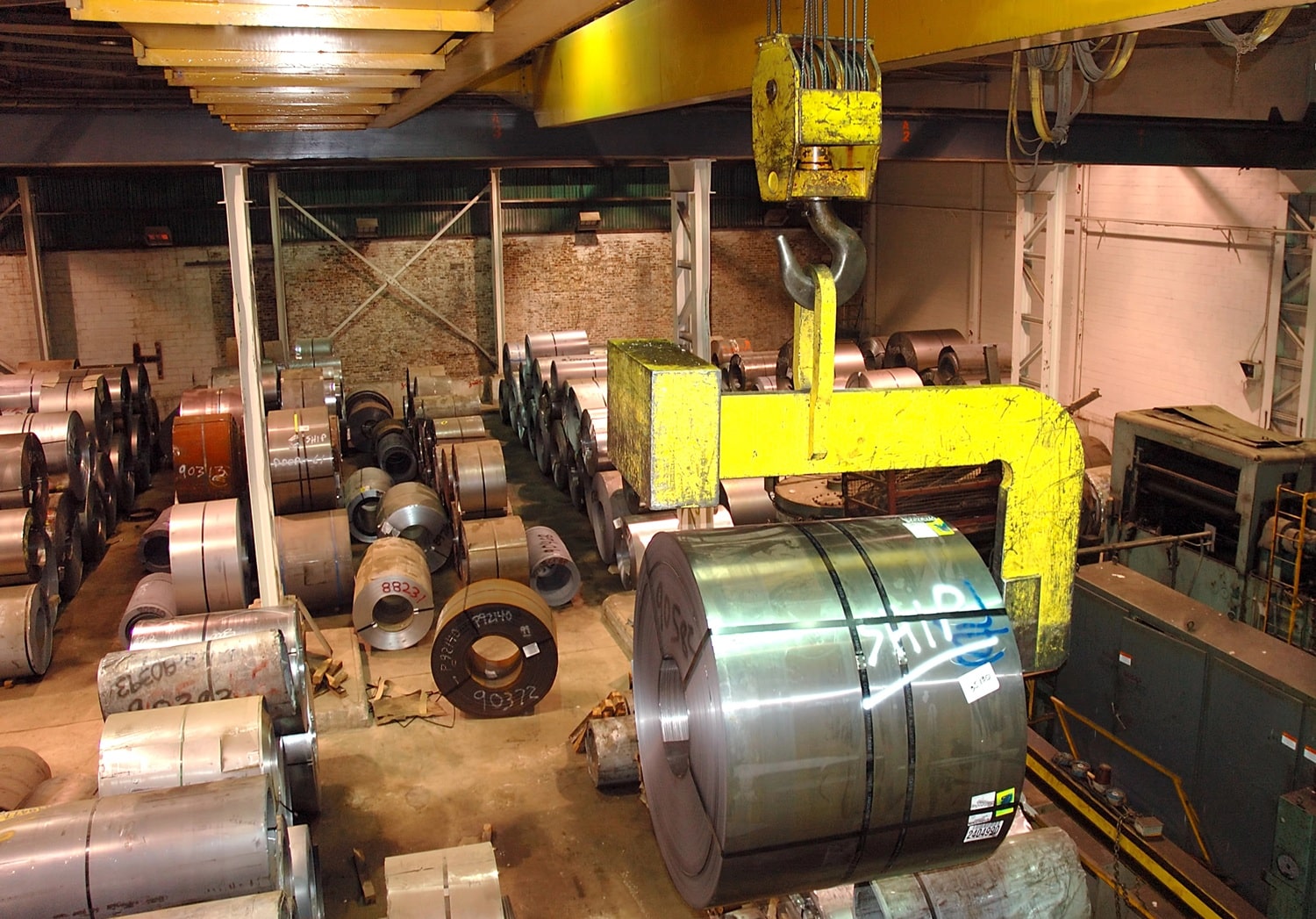
A crane C-hook is a C-shaped lifting device used below the hook, designed to lift and transport coiled, rolled, or reeled materials by gripping through their inner diameter. It is designed to work seamlessly with overhead cranes and gantry systems, providing a quick and dependable method for moving large, heavy coils without requiring additional rigging, such as slings or chains.
Most C-hooks are made from high-strength structural steel and are designed to meet specific coil size and weight requirements. Features often include counterbalancing for stability, tapered lifting arms, and protective pads to prevent damage to the coil.
Unlike more general-purpose lifting tools, C-hooks are highly specialized, providing single-point vertical lifting that reduces swing, speeds up placement, and makes handling safer and more consistent.
Common Materials Handled by C-Hooks
C-hooks are explicitly designed for applications where materials are wound into coils or rolls. Here’s a breakdown of the most common items handled:
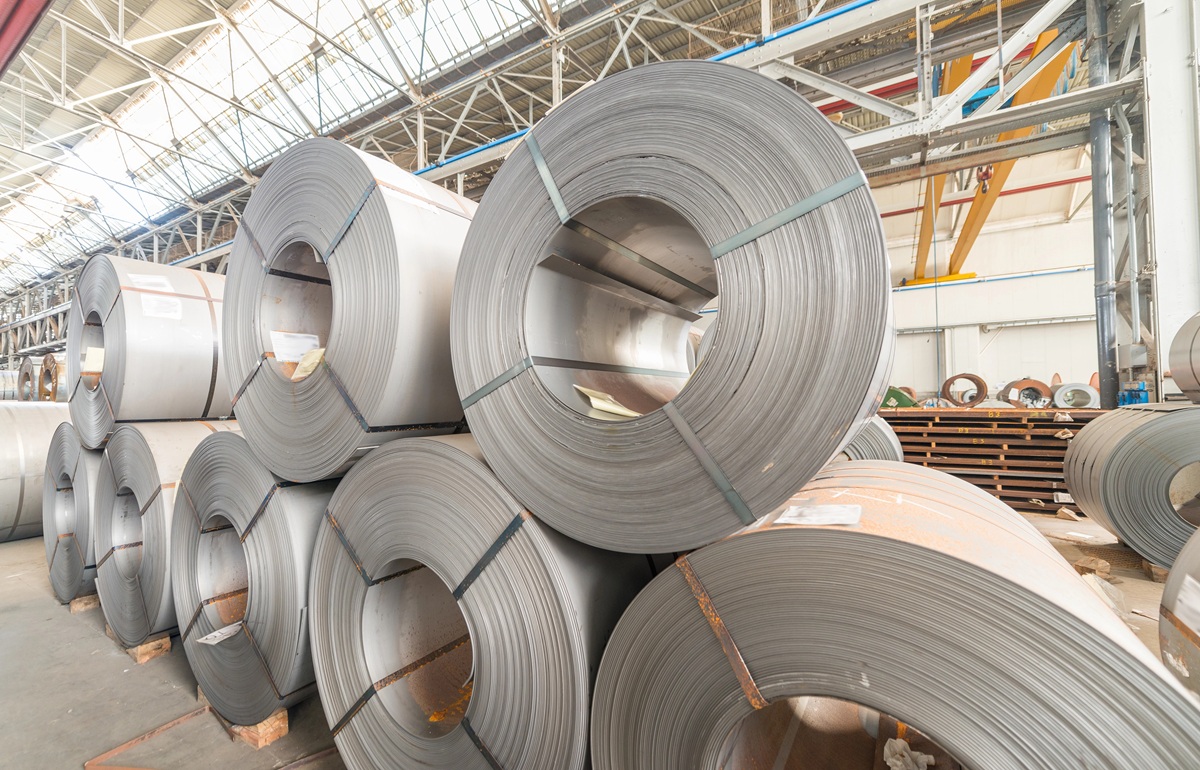
- Steel Coils – These heavy-duty coils are utilized in automotive stamping, metal fabrication, and construction applications. They often weigh several tons, so safe handling is a top priority.
- Aluminum Coils – Used in industries such as aerospace, packaging, and consumer electronics. Although lighter than steel, these coils still need careful handling to prevent surface damage.
- Wire Reels and Spools – Electrical, fiber optic, and industrial cabling are often wound onto large wooden or metal spools. C-hooks make it quick and easy to lift and stage them.
- Paper Rolls – In paper mills and publishing, large rolls must be handled carefully. C-hooks are often padded or coated to prevent tearing or crushing of the edges.
- Plastic and Composite Coils – Pipes, tubes, or synthetic materials that are spooled for shipping or storage benefit from the exact precise handling offered by an appropriately sized C-hook.
These various materials make C-hooks among the most versatile and reliable tools for handling coils in heavy-duty applications.
Top Industry Applications for Crane C-Hooks
C-hooks are used across many industries where materials are produced, transported, or stored as coils. Here are some of the primary sectors that depend on them.
1. Steel & Metal Processing Plants
C-hooks are vital in steel mills and coil processing plants, where they are used to move hot-rolled or cold-rolled coils from production lines to inventory racks or shipping bays. Their design enables operators to load and unload coils quickly while reducing the risk of damage or tipping.
2. Service Centers and Warehouses
Material service centers and distribution hubs often utilize C-hooks to lift coils from delivery trucks, transport them through processing areas, or load them onto customer trailers. The effectiveness of a single-lift device like a C-hook helps reduce forklift usage and accelerates order fulfillment.
3. Automotive Manufacturing
In the automotive industry, C-hooks are commonly used in stamping plants and assembly lines. Coils are fed into machines that flatten, stamp, or shape them into parts. Using a C-hook enables quick and consistent feeding, facilitating smooth operations and minimizing downtime.
4. Paper & Pulp Mills
Large, delicate rolls of paper must be handled carefully to avoid rips or distortion. C-hooks are often customized with protective padding and balance systems, making them ideal for moving paper rolls through production, storage, or packaging areas.
5. Electrical and Cable Manufacturing
Facilities that produce wiring, cables, and telecom lines often rely on C-hooks to handle large spools of finished product. Their ability to lift vertically and rotate into position makes them ideal for staging spools for shipping or unspooling onto machinery.
6. Shipyards and Heavy Equipment Yards
In marine and industrial yards, custom-sized cables, rigging, and hawsers are frequently wound onto coils or reels. These sites require durable, high-capacity C-hooks to handle oversized or oddly shaped materials in environments where space and safety are key concerns.
Benefits of Using C-Hooks
C-hooks provide several unique performance and safety benefits over slings, chains, or more general-purpose lifting attachments.
- Quick, One-Point Engagement – Operators can lift and move coils quickly without complex rigging setups. This makes them perfect for repetitive or fast-paced tasks.
- Reduced Load Damage – The shape and smooth surface of a C-hook decrease the risk of gouging, scratching, or compressing valuable materials.
- Improved Throughput and Efficiency – Faster handling cycles enhance productivity in manufacturing and shipping operations.
- Better Safety and Load Stability – Counterbalanced designs minimize tipping and help operators maintain control of the load during lift, travel, and set-down.
- Customizability – Whether it’s throat width, reach, padding, or special load ratings—C-hooks can be custom-designed for your application to enhance handling performance.
These benefits make C-hooks a wise long-term investment for companies dealing with coiled goods.
C-Hook Add-Ons and Variations
To address the diverse needs of various industries, many C-hooks feature specialty options or optional add-ons. Some common variations include:
- Motorized Rotation – Allows operators to rotate the coil into the desired position while suspended, improving placement accuracy and ergonomics.
- Adjustable counterbalances – Useful when coil weights and diameters vary between jobs. These help keep the hook level and prevent tipping.
- Protective Padding or Liners – Adding foam or rubber padding to the interior contact surfaces helps minimize wear on sensitive materials.
- Fork Pockets or Dual-Mode Lifting – Some C-hooks are designed with added flexibility, allowing for use with forklifts for staging or when a crane is unavailable.
These upgrades enable facilities to customize C-hook performance for their specific workflow, helping to reduce equipment strain and operator fatigue.
Safety and Inspection Considerations
Like all lifting equipment, crane C-hooks must be used responsibly and maintained properly. Following safety standards ensures long-term performance and protects workers. Consider the following:
- Follow OSHA and ASME B30.20 Guidelines – These establish the standards for the fabrication, use, and inspection of below-the-hook lifting devices.
- Daily Visual Inspection – Check for signs of damage like bent arms, worn contact surfaces, cracked welds, or missing safety labels.
- Routine Load Testing and Preventive Maintenance – Regular testing verifies that the hook operates within its rated capacity. Lubrication, repainting, and hardware inspections help prolong its service life.
- Operator Training – Even the best tools are only as safe as the people using them. Ensure your crane operators are trained on how to lift coils properly with a C-hook.
Keeping safety top of mind not only helps prevent accidents but also protects your equipment investment and keeps your facility running smoothly.
Crane C-hooks are specially designed tools that improve the safety, speed, and efficiency of coil and reel handling. They are commonly used in industries that work with coiled materials—such as steel, cable, paper, and plastic.
By providing single-point lifting, reducing damage risk, and offering customizable options, C-hooks remain a preferred solution for coil handling in heavy-duty settings. Whether your requirements are standard or highly specific, the right C-hook can enhance your workflow and increase operator safety.