Proof Load Testing & OSHA: Requirements, Standards, and Compliance Tips
In lifting and rigging operations, equipment failure is not just costly — it can be catastrophic. Every hook, beam, clamp, and crane component must perform exactly as designed. That’s why proof load testing exists. It provides measurable verification that lifting equipment can safely withstand forces beyond its normal working load.
While many companies view proof load testing as a best practice, OSHA treats certain applications as mandatory. Understanding OSHA’s requirements for proof testing, how it should be performed, and how it must be documented is essential for any employer operating lifting equipment.
This guide explains OSHA requirements, clarifies how consensus standards such as ASME apply, and provides practical compliance tips for your operation.
What Is Proof Load Testing?
Proof load testing is the controlled application of a load exceeding the rated capacity of lifting equipment to confirm structural integrity and safe performance.
In most OSHA-related scenarios, proof testing is performed at 125% of the rated load unless the equipment manufacturer specifies a different percentage. This overload is applied in a controlled manner to verify that the equipment can withstand stresses beyond its intended working limit without permanent deformation or failure.
It is important to clearly distinguish proof load testing from other types of evaluations:
- Proof Load Test – Applies an overload (commonly 125%) to validate structural strength.
- Functional Load Test – Verifies operational performance at rated capacity (motors, brakes, controls).
- Rated Load Test – Applies the full rated load without exceeding it to confirm performance limits.
Proof load testing does not replace routine inspection. Visual and operational inspections detect wear, damage, or defects, while proof testing confirms structural capability under stress. Together, they form a comprehensive safety strategy.
OSHA Standards That Address Proof Load Testing
OSHA does not require proof load testing for every lifting component, but where it applies, it is enforceable.
29 CFR 1926.251 – Rigging Equipment for Material Handling
Under OSHA’s construction standards, custom-designed lifting accessories must be proof-tested before use.
This applies to fabricated devices such as:
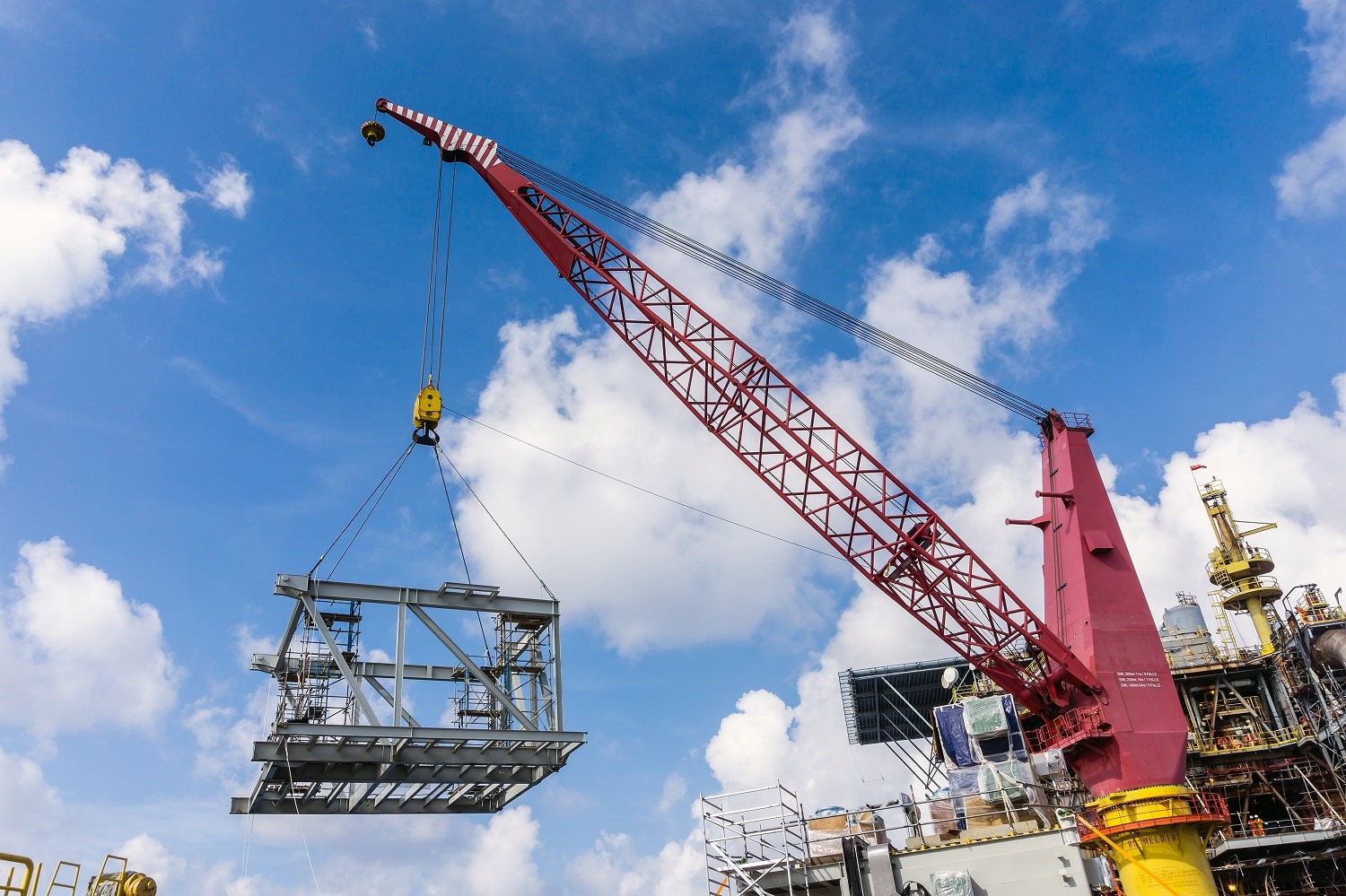
- Custom lifting beams
- Spreader bars
- Plate clamps
- Pipe grabs
- Engineered lifting attachments
These devices must be proof-tested to 125% of their rated load before being placed into service.
The regulation uses the word “shall,” indicating a mandatory requirement. Failure to proof-test qualifying devices before first use can result in citations and penalties during an OSHA inspection.
This requirement ensures that custom-fabricated lifting devices — which may not have undergone standardized factory testing — are validated before workers are exposed to risk.
29 CFR 1910.179 – Overhead and Gantry Cranes
In general industry settings, OSHA requires load testing of new or altered overhead and gantry cranes before they are put into service.
Key points include:
- Testing must occur before initial use.
- The test load must not exceed 125% of rated capacity unless otherwise recommended by the manufacturer.
- Major repairs or structural alterations affecting load-bearing components require retesting.
This ensures that structural members, hoist mechanisms, braking systems, and controls operate safely under stress. Even if only one component has been modified, testing is required if that modification affects load capacity or structural integrity.
OSHA Interpretation Guidance
OSHA interpretation letters clarify enforcement expectations, including:
- The 125% proof test applies specifically to custom lifting accessories.
- Test weights must be reasonably accurate.
- Documentation must be maintained and made available to inspectors.
While interpretation letters do not create new regulations, they clarify how OSHA enforces existing regulations — and inspectors rely on them during compliance reviews.
OSHA vs. ASME: Understanding the Difference
One of the most common compliance misunderstandings concerns the relationship between OSHA and ASME.
- OSHA is a regulatory body. Its standards are legally enforceable.
- ASME develops consensus standards that outline engineering design, testing procedures, and inspection practices.
Many OSHA standards align with ASME B30 series guidance. For example:
- ASME B30.9 covers slings.
- ASME B30.10 addresses hooks.
- ASME B30.20 covers below-the-hook lifting devices.
- ASME BTH-1 provides design requirements for engineered lifting devices.
While OSHA establishes minimum legal requirements, ASME standards often provide the detailed methodology for testing and inspection. Following ASME standards demonstrates a commitment to industry best practices and can support OSHA compliance during audits.
Equipment Commonly Subject to Proof Load Testing
Proof load testing typically applies to equipment that is newly installed, modified, or custom-fabricated.
New Equipment
- Overhead cranes
- Gantry cranes
- Hoists
- Engineered lifting beams
New equipment must be validated prior to service to confirm it meets design expectations.
Modified or Repaired Equipment
If a crane, beam, or device undergoes:
- Structural welding repairs
- Load-bearing modifications
- Re-rating or capacity changes
Proof load testing is typically required before returning it to service.
Custom Below-the-Hook Devices
Fabricated lifting devices pose a unique compliance risk because they are engineered for specific tasks. OSHA specifically targets these devices for proof testing because their integrity depends heavily on proper design and fabrication.
Examples include:
- Spreader beams
- Lifting frames
- Custom clamps
- Heavy-duty grabs
Proof load testing ensures these devices perform as engineered before they are exposed to live loads in the field.
When Is Proof Load Testing Required?
OSHA mandates proof load testing under certain conditions:
- Before initial use of custom lifting accessories.
- After structural modifications or major repairs.
- In accordance with manufacturer recommendations.
Beyond regulatory triggers, many companies conduct proof load testing as part of internal safety programs. In high-risk industries such as steel erection, precast handling, and heavy manufacturing, routine proof testing reduces liability exposure and strengthens safety culture.
How Proof Load Testing Is Performed Properly
Executing a proof load test requires planning, precision, and qualified personnel.
1. Establish the Correct Test Load
Begin by confirming the equipment’s rated capacity. Calculate 125% of that value unless otherwise specified by the manufacturer.
Use:
- Certified test weights
- Calibrated load cells
- Verified water bag systems
Accuracy is critical. Using estimated weights without verification can invalidate the test and create compliance risk.
2. Prepare a Controlled Testing Environment
Testing areas should be:
- Clearly barricaded
- Free of unnecessary personnel
- Supervised by qualified personnel
Rigging configurations must match intended operating conditions to ensure realistic stress application.
3. Apply the Load Gradually
The load should be:
- Applied slowly and evenly
- Held for a prescribed duration
- Observed carefully for deflection, distortion, or abnormal behavior
Inspectors should monitor welds, structural members, pins, and connections during testing.
4. Conduct a Post-Test Inspection
After removing the test load:
- Inspect for permanent deformation
- Check for cracked welds
- Verify no elongation of holes or distortion of structural members
Any structural compromise disqualifies the equipment from service until it is repaired and retested.
Documentation and Recordkeeping
Proof load testing must be documented to demonstrate compliance.
Documentation should include:
- Equipment identification number
- Rated capacity
- Applied test load
- Date of test
- Name and qualification of the person performing the test
- Test results and inspection findings
Records must be readily available during OSHA inspections. Digital tracking systems can simplify compliance management, especially for operations with large fleets of lifting equipment. Proper documentation demonstrates due diligence and can significantly reduce liability exposure.
Practical Compliance Tips
To maintain compliance:
- Develop written proof load testing procedures.
- Train supervisors and safety managers on OSHA requirements.
- Track all lifting devices and their testing status.
- Schedule proof testing immediately after qualifying repairs or modifications.
- Conduct periodic internal audits of documentation.
Integrating proof load testing into your safety management system ensures consistency and accountability.
Why Proof Load Testing Matters Beyond Compliance
OSHA establishes minimum standards, but the real value of proof load testing goes beyond regulatory compliance.
Proof testing:
- Reduces the risk of structural failure.
- Protects workers from catastrophic incidents.
- Demonstrates engineering integrity.
- Strengthens company credibility.
Lifting equipment failures can cause severe injuries, costly downtime, and legal consequences. Proof load testing provides measurable assurance that equipment will perform as designed under stress.
Proof load testing is more than a regulatory requirement — it is a direct investment in safety, performance, and accountability. When OSHA mandates a 125% proof test for certain lifting devices, it does so to eliminate uncertainty and reduce the risk of structural failure in real-world operations. Companies that treat proof testing as a core part of their lifting program, not just a checkbox, are better positioned to protect their people, equipment, and reputation.
For organizations that need qualified, documented proof of load testing, ELT provides professional load testing services that meet OSHA requirements and industry standards. Whether you are commissioning new equipment, validating a custom lifting device, or returning modified equipment to service, ELT’s engineered load testing solutions help ensure your equipment is compliant, verified, and ready for safe operation.